
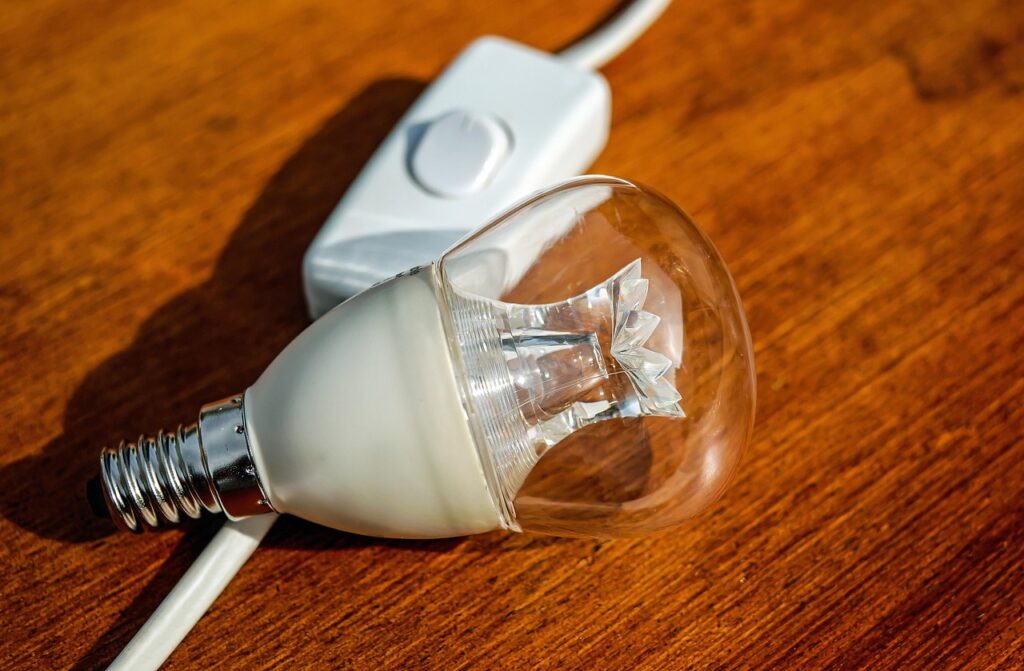
Every time you flick a switch, plug in a charger, or start your car, an invisible guardian is working behind the scenes. It doesn’t buzz, blink, or boast. But without it, modern life as we know it would short-circuit into chaos. That guardian is electrical insulation.
Think of it as the bouncer at an exclusive club for electrons. Its job is simple: keep the current where it belongs and stop it from crashing the party where it shouldn’t. This isn’t just about preventing a nasty shock—it’s about enabling the entire grid of power that fuels our homes, hospitals, and factories.
At its core, insulation relies on a property called dielectric strength. That’s a fancy way of measuring how much voltage a material can handle before it breaks down and starts conducting. The higher the number, the better the shield. Ceramics and glass are the heavyweights here, standing firm against massive electric fields. But temperature, humidity, and pressure can all weaken that resolve, making material choice a high-stakes game.
Engineers build these barriers out of plastics, rubbers, and resins. Each material brings its own personality: thermal stability for high-heat environments, mechanical strength for rugged jobs, or chemical resistance for corrosive settings. It’s a tailored suit for every electrical challenge.
You’ll find insulation in the thick cables buried underground, the thin coating on a smartphone’s circuit board, and the windings inside a massive power transformer. It’s in the medical equipment that saves lives, the solar panels that harness the sun, and the electric vehicles quietly humming down the highway. Without it, none of this works.
To truly master insulation, engineers turn to math. The parallel plate capacitor model is their go-to tool. It links capacitance, voltage, and dielectric strength through a simple equation: C equals the permittivity of free space times the relative permittivity of the material, all multiplied by the area of the plates and divided by the distance between them. It sounds dry, but this formula is the blueprint for designing systems that won’t fail when you need them most.
So next time you enjoy the glow of a lamp or the hum of a refrigerator, spare a thought for the silent shield that makes it possible. Electrical insulation may be unseen, but its role is unmistakable. As we push deeper into an electrified future, from smart grids to space exploration, this quiet guardian will only grow more essential.




Comments are closed for this story.