
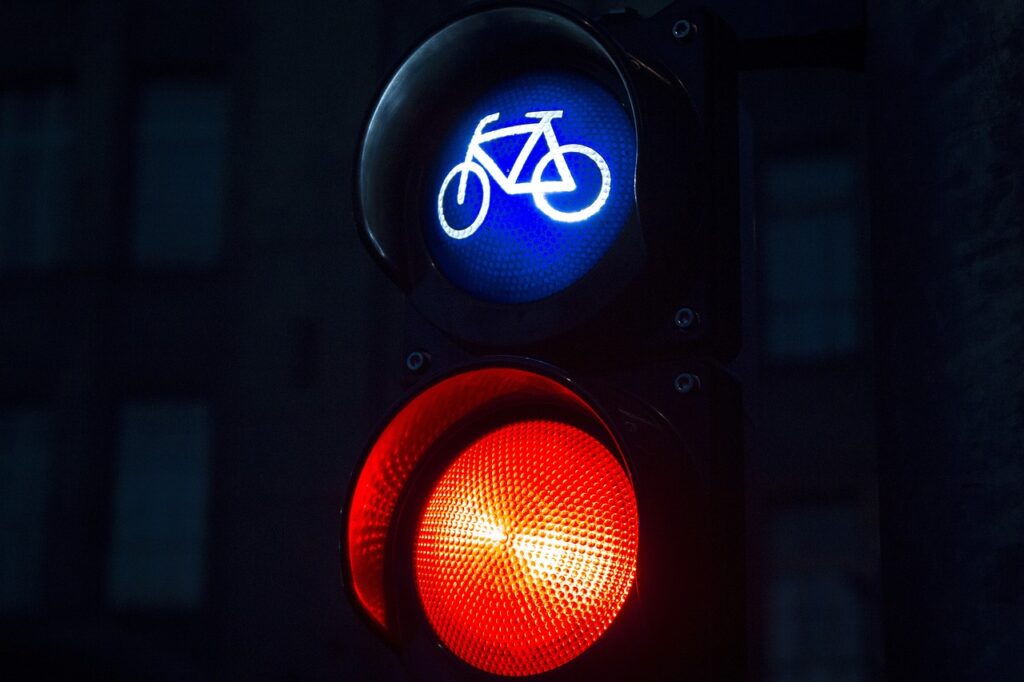
Traffic lights that think for themselves. Cameras that call ambulances before you even dial. Buses that rewrite their routes on the fly. This isn’t science fiction—it’s the quiet revolution happening on your morning commute.
For decades, traffic engineering has been the invisible hand guiding millions of vehicles through concrete arteries. But the old playbook of fixed timers and static road signs is being torn up. The new game is called Intelligent Transportation Systems, or ITS, and it’s turning urban mobility into a living, breathing organism.
At its core, ITS is about giving traffic signals a brain. Traditional lights run on rigid schedules, blind to the actual flow of cars. Smart signals, armed with sensors and real-time data, can shave 20% off congestion, cut travel times by a tenth, and reduce emissions by 15%. They don’t just react—they anticipate.
Surveillance has evolved far beyond the grainy footage of traffic cameras. Modern systems use radar and advanced video analytics to spot a pedestrian stepping off the curb or a fender bender unfolding. Alerts fire automatically to emergency services, cutting response times when every second counts.
Public transit is getting a similar upgrade. By syncing bus and train schedules with live demand, cities are squeezing more passengers through the same infrastructure. Real-time arrival boards, once a novelty, now give commuters the power to plan around delays, making the daily grind slightly less grinding.
The horizon glows with even bigger shifts. Artificial intelligence is learning to predict traffic jams before they form. Internet of Things sensors are monitoring potholes, air quality, and weather in one unified feed. And 5G networks are laying the groundwork for cars that talk to traffic lights and pedestrians, a prerequisite for autonomous vehicles.
But for all the tech, the mission remains human. Traffic engineering isn’t just about moving metal—it’s about making cities where people actually want to live. Less time stuck in the crawl means more time for what matters. That’s the pulse worth tracking.



Comments are closed for this story.