
The pain at the checkout counter just got worse. New data from the Labor Department reveals that U.S. consumer prices climbed another 0.5% in May, pushing the annual inflation rate to a staggering 4.2%. That’s the biggest jump in three years, and it’s landing hard on households already battered by record-low confidence.
The Consumer Price Index, the government’s key inflation gauge, shows that from April to May alone, prices surged across the board. Strip out the volatile food and energy sectors, and core CPI still rose 0.2% for the month and 2.9% over the past year. This isn’t a temporary blip—it’s a sustained assault on buying power.
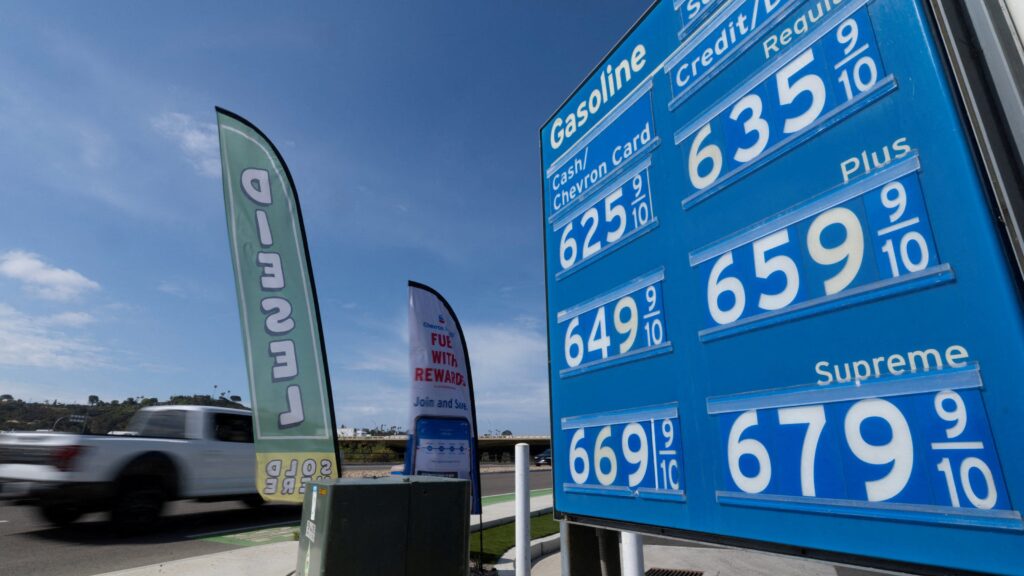
The trouble traces back to the start of the Iran war. Back in February, inflation was a tame 2.4%. Then came March, with a jump to 3.3%, followed by April’s 3.8%. Supply chain snarls and skyrocketing fuel costs have made everything from groceries to gas more expensive. The conflict has rewired the economic landscape.
Just months ago, President Donald Trump tapped Kevin Warsh to lead the Federal Reserve, when the economy looked different. February saw stable prices but shrinking payrolls. Now, hiring has roared back, with over 100,000 jobs added each month for three straight months. That rebound complicates Warsh’s push for lower interest rates and will dominate discussions at his first Fed meeting next week.
Core CPI, which filters out food and energy’s wild swings, climbed 0.2% in May, following a 0.4% spike in April and steady 0.2% increases in March and February. Economists watch this metric closely—it signals whether higher oil prices are bleeding into broader costs. So far, the pass-through is limited, but the trend is worrying.
Americans are bracing for more. The University of Michigan’s consumer survey shows year-ahead inflation expectations hit 4.8% in May, up from 4.7% in April. That’s a far cry from the 3.4% consumers expected back in February, before the Iran war ignited. The mood is grim.
Corporate leaders are sounding alarms, too. Dollar Tree CFO Stewart Glendinning told investors that the company initially hoped the Middle East conflict would be short-lived. “That has proved not to be the case,” he said. “Now, we’re assuming higher fuel prices last throughout the year.” Walmart CFO John David Rainey revealed the retailer had absorbed $175 million in unexpected fuel costs, warning that if the elevated cost environment persists, shoppers will see higher prices in the second half of 2026.
A Verasight poll of 3,000 U.S. adults underscores the public’s fury: 80% say an annual inflation rate above 3% is unacceptable, and 62% want it at 2% or below. Verasight CEO Ben Leff noted that people feel their wages aren’t keeping up, and they worry about hours being cut or losing jobs. “I think people are feeling: ‘No way,’” he said.
The Federal Reserve targets 2% inflation, using the Personal Consumption Expenditures Price Index, which stood at 3.8% in April. ConnectOne Bank CEO Frank Sorrentino explained that zero inflation would mean no growth, but 2% strikes a balance. “On average, a 2% increase in the monetary supply supports the economy, provides for growth, however, does not allow inflation to get out of control,” he said.
But control is slipping. The University of Michigan’s consumer sentiment index plunged to 44.8 in May—the lowest in over 70 years of tracking. That’s a 10% drop from April and a 14.2% decline year-over-year. Surveys of Consumers Director Joanne Hsu reported that 57% of respondents said high prices were eroding their personal finances. Lower-income consumers and those without college degrees are hit hardest, as they’re more sensitive to rising gas and essential costs.




Comments are closed for this story.