
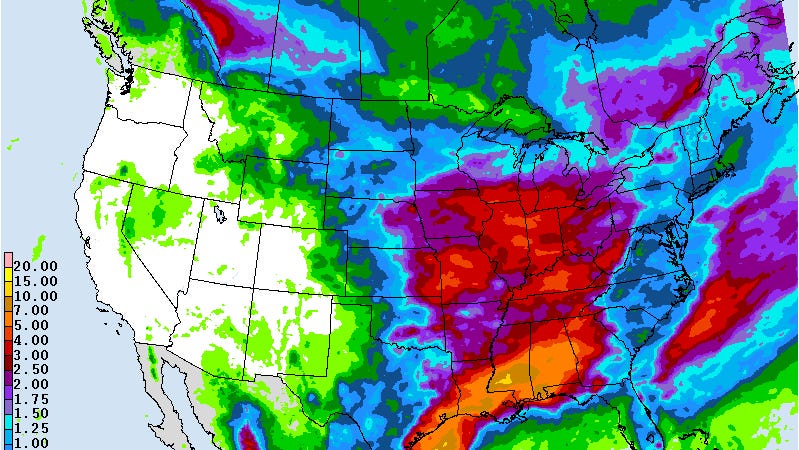
The Atlantic hurricane season officially kicked off with a splash Wednesday morning as Tropical Storm Arthur took shape in the Gulf of Mexico, catching the attention of forecasters and residents alike. The National Hurricane Center confirmed the storm’s formation on June 17, marking it as the first named system of what is predicted to be a quieter-than-usual 2026 season.
But don’t let the calm forecast fool you. Arthur’s main punch isn’t wind or storm surge—it’s water. Meteorologists are warning that this storm will unleash “boatloads” of rain across the Gulf Coast and Southeast over the next several days, raising the specter of “life-threatening” flash floods.
Deep tropical moisture is set to drench the coastline, with downpours expected to stretch from Texas into the Mississippi River Valley for the next week, according to Ryan Maue, a meteorologist with Weather Trader. The relentless rain is already making its mark: Dan DePodwin, vice president of forecasting operations at AccuWeather, noted that parts of Texas and Louisiana have seen 4 to 6 inches of rain since Sunday. With Arthur adding to the mix, the risk of major flooding is escalating rapidly.
“These additional downpours will pose a serious risk for major flooding that could quickly turn life-threatening,” DePodwin said. While Arthur is forecast to make landfall Wednesday night near the Texas-Louisiana border, the danger won’t end there. The flooding threat will persist through at least Thursday, stretching from Texas to Mississippi, as the storm’s moisture slowly drifts eastward across the Southeast.
Despite Arthur’s early arrival, the broader season is expected to be subdued, thanks largely to El Niño’s hurricane-suppressing effects. NOAA’s seasonal outlook predicts a below-normal season with 8 to 14 named tropical storms, including three to six hurricanes—one to three of which could become major. For context, an average season from 1991 to 2020 saw about 14 tropical storms, with seven becoming hurricanes.
For now, all eyes are on the Gulf as Arthur delivers its watery blow. Residents from Texas to Mississippi are urged to stay alert and prepared as the storm’s rains continue to fall.




Comments are closed for this story.