Somewhere between the grand promises of policy and the gritty reality of daily life, Nigeria is having a reckoning. The chatter in boardrooms, churches, and market squares is no longer about what could be done, but about what has actually been done. And the answers, for many, remain frustratingly out of reach.
Take the recent sit-down between President Bola Ahmed Tinubu and the Catholic Bishops’ Conference of Nigeria. The meeting was framed as a dialogue, but the public read it as a barometer of trust. When spiritual leaders leave the room with more questions than answers, you know the political temperature is simmering. The bishops, like millions of Nigerians, are looking for tangible proof that the tough talk on reform is translating into a lighter burden for the common man.
That burden is nowhere heavier than in the energy sector. For the first time in modern memory, Nigeria’s name is being whispered in global energy circles not as a punchline about grid collapses, but as a potential player. Yet, the silence is deafening when you switch on a generator because the national grid has blinked again. The policy wins are real, but the voltage in homes tells a different story. We are no longer just a case study for fragility; we are a case study for the gap between ambition and execution.
Meanwhile, the tax reform laws signed exactly one year ago were supposed to be the great equalizer. President Tinubu’s signature on those bills was hailed as a watershed moment. But a year on, the question is not whether the laws are good on paper, but whether they have made life any less punishing for the small business owner or the family buying groceries. The reforms are real, but so is the skepticism. Nigerians are not asking for a ribbon-cutting ceremony; they are asking for a receipt that shows they got value for their money.
That skepticism extends to the corridors of power, where Senator Abdulaziz Yari made an investment last year that produced no bridge, no road, and no fanfare. It was a quiet bet on something less glamorous but arguably more vital. A year later, that investment is a test of whether patience is a virtue or a fool’s errand in Nigerian politics.
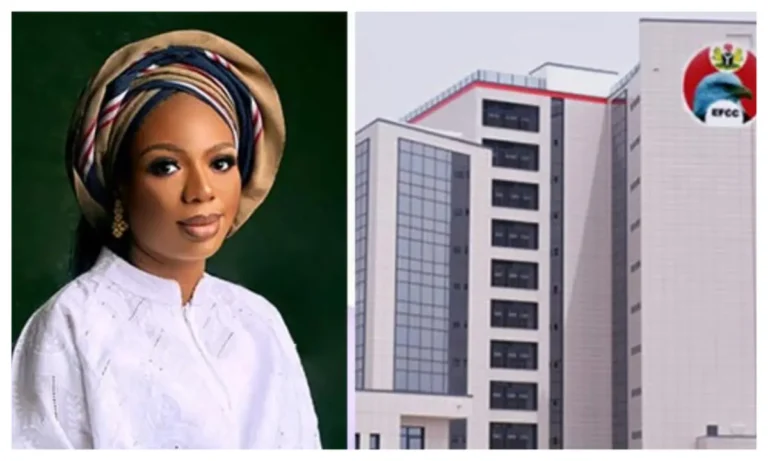
And then there are the institutions meant to protect the people. The case of Rebecca Omokamo Godwin-Isaac, who reportedly spent 23 days confined in her own home and another two days in EFCC custody, only to have the Commission push for more, is a chilling reminder that power without accountability is a dangerous thing. The public is watching, and the public is tired.
Even the fight against malaria, a disease that remains one of Africa’s deadliest yet most preventable killers, is a mirror of our national struggle. Science has given us the tools, but the logistics of delivery, the funding gaps, and the systemic neglect keep the mosquito one step ahead. We know the cure, yet we cannot get it to the child who needs it.
And what of the man at the center of it all? Senator Yari may be a man of few words, a leader who believes actions speak louder than press statements. But in a country where silence is often mistaken for strategy, the public is running out of patience. They want fewer speeches and more results.
In the digital age, even the way we consume news is shifting under our feet. Search engines now serve up AI-generated summaries, giving readers instant answers but stripping away the nuance. Marketers are scrambling to adapt, but for the rest of us, the challenge is simpler: we need to know if the story we are being told is the story that is actually true.
Nigeria is at a crossroads, not of roads and bridges, but of credibility. The infrastructure of trust is what needs the most urgent repair. The policies are being signed, the meetings are being held, and the promises are being made. But the meter is running, and the people are checking the bill.