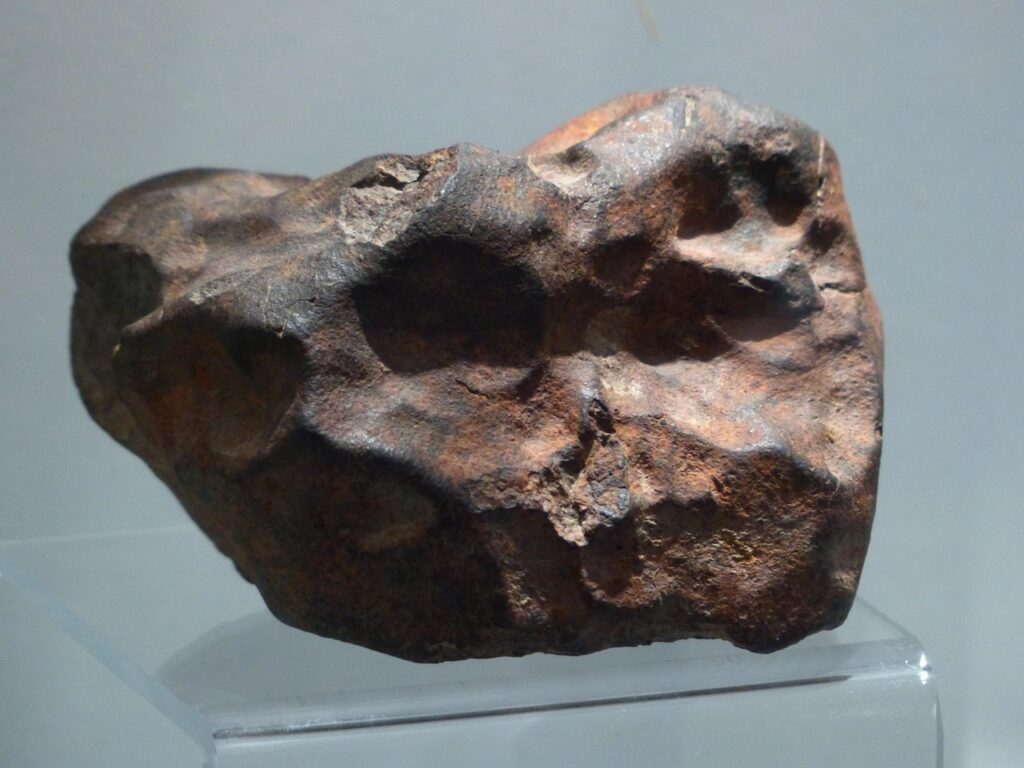
Every day, the Earth is pelted by silent messengers from the void. These fragments of shattered worlds, scorched by their fiery plunge through our atmosphere, are far more than streaks of light in the night sky. They are time capsules, carrying the raw ingredients of the solar system, and for those who study them, they offer a direct line to the dawn of creation.
My own path to these celestial relics is an unusual one, having traded the predictability of soil and crops for the chaos of space rock. But the connection is real. The same forces that shape a field—erosion, heat, pressure—also sculpt the building blocks of planets. And in the study of meteorites, we find a mirror to our own world’s violent past.
Consider the rare earth elements locked inside these stones. Lanthanum, a silvery metal that most people will never see, holds a remarkable power. By measuring its isotopic fingerprints, scientists can rewind the clock billions of years. They can determine the temperature at which a long-dead asteroid melted, the chemical reactions that occurred, and the very conditions that gave rise to the planets we know today. It is a forensic investigation, where the evidence is older than the Earth itself.
But to understand these cosmic fossils, we sometimes have to look closer to home. The churning volcanic ridges on our ocean floors, where new crust is born, mimic the processes that forged meteorites in space. The ancient aqueducts carved into our landscapes offer clues to how water might have flowed on a young Mars. And in the animal kingdom, we find unexpected allies. The aerodynamic perfection of a falcon’s dive helps us model how a meteorite tears through the sky. The resilient structure of an elk’s antler inspires new materials to withstand the shock of impact. Even the humble tuatara, a reptile that has outlived the dinosaurs, teaches us about the slow, grinding evolution that shapes all matter in the cosmos.
There are 77 recognized types of meteorites, each one a distinct chapter in an epic story. Some are pristine, carrying the unaltered dust of the early solar system. Others have been melted and recrystallized, bearing the scars of catastrophic collisions. As I look up at the stars, I see not just points of light, but a narrative of destruction and rebirth. The embers of a meteor’s trail fade quickly, but the fragments that reach the ground whisper a tale that has been waiting for eons.
This pursuit is not a destination but a trajectory. It is fueled by a simple, stubborn curiosity that asks: what else is out there? The more we learn, the stranger and more wonderful the universe becomes. And that is the true reward—not just the rocks we hold, but the stories they dare us to imagine. As we push deeper into the unknown, we are reminded that the greatest discoveries are not the answers we find, but the questions they inspire.