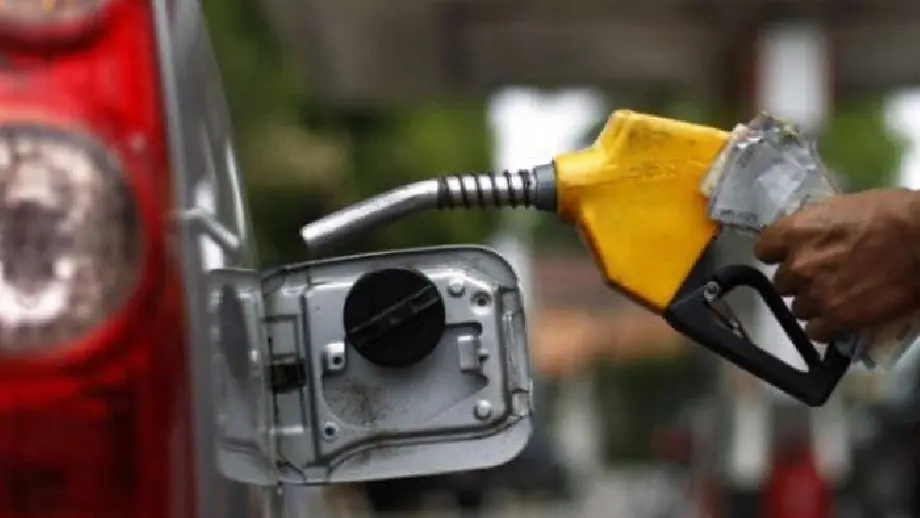
Nigerian fuel retailers have lowered petrol prices across Abuja following competitive pressure from independent marketers linked to the Dangote Refinery, a market survey by Media Talk Africa has shown.
The state-owned Nigerian National Petroleum Company Limited (NNPCL) reduced its pump price to ₦1,250 per litre on Tuesday, down from ₦1,299, a drop of ₦49. The adjustment was observed at NNPCL outlets in Gwarimpa, along the Kubwa Expressway, and in Wuse Zones 4 and 6.
The move came days after Media Talk Africa reported that motorists were avoiding NNPCL stations due to higher prices compared to competitors. MRS, which operates with backing from the Dangote Refinery, and other independent marketers had already cut prices by between ₦25 and ₦50 per litre, selling between ₦1,210 and ₦1,275.
With NNPCL’s latest reduction, petrol in the capital and surrounding areas now ranges from ₦1,210 to ₦1,300 per litre, narrowing the price gap that had driven consumers toward private retailers.
Industry observers say the price war reflects growing competition in Nigeria’s downstream petroleum sector since the Dangote Refinery began supplying locally refined product. The 650,000-barrel-per-day facility in Lagos has altered supply dynamics, giving independent marketers an alternative to imported fuel and enabling them to undercut the national oil company’s retail arm.
NNPCL has not issued a formal statement on the price adjustment. The company previously maintained that its pricing reflected landing costs and exchange rate fluctuations. However, the swift response to market share losses suggests a shift toward more competitive pricing behaviour.
Motorists in Abuja welcomed the reduction but noted that prices remain well above the ₦617 per litre ceiling that existed before the removal of fuel subsidies in May 2023. Transport operators said the current rates still squeeze margins, particularly for long-distance routes.
The development marks the second significant price movement this quarter. Analysts expect further adjustments as the Dangote Refinery ramps up output and more private depots secure direct supply agreements. The Nigerian Midstream and Downstream Petroleum Regulatory Authority has yet to publish updated pricing templates reflecting the new market reality.
For now, the price convergence between state-owned and private outlets offers temporary relief to consumers while signalling a structural shift in how petrol is priced and sold in Africa’s largest oil producer.