Every time a doctor orders a scan, they are asking a machine to see through skin and bone, muscle and tissue, to find the truth hidden inside. That is the quiet power of radiology—a field that has transformed medicine from guesswork into precision. It is not just about taking pictures; it is about reading the body’s secret language, written in shadows and light.
At its core, radiology relies on electromagnetic radiation—X-rays, gamma rays, and other high-energy particles that pass through the human body like light through a window. Different tissues absorb these rays at different rates. Bone stops them cold, while soft tissue lets them slip through. That contrast creates the images radiologists study, revealing everything from a hairline fracture to a hidden tumor. It is a simple principle with profound consequences.
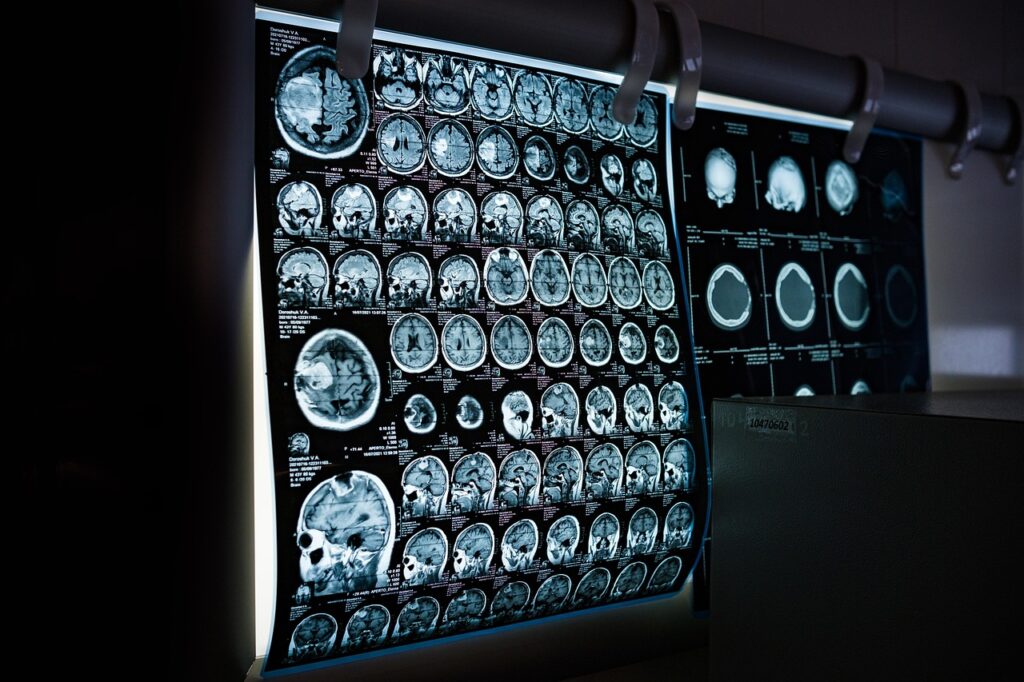
The tools of this trade are now household names. CT scans stack dozens of X-ray images to create 3D maps of the body. MRI uses powerful magnets to align water molecules, producing stunningly detailed views of the brain and spinal cord. PET scans track radioactive tracers to show how organs are functioning in real time. Ultrasound bounces sound waves to capture moving images, often of a beating heart or an unborn child. Each modality offers a different window into the same mystery.
But radiology is not just a diagnostic art. It is also a therapeutic one. Interventional radiologists use imaging guidance to perform procedures that once required open surgery. They snake catheters through arteries to open blockages, block blood flow to tumors, or burn away diseased tissue with heat. These minimally invasive techniques mean shorter hospital stays, less pain, and faster recoveries. The needle is guided by the eye, and the eye is guided by the image.
The field is now racing forward with breakthroughs that were science fiction a generation ago. Functional MRI lets researchers watch the brain light up as a person thinks, feels, or remembers. Diffusion tensor imaging traces the brain’s white matter pathways, revealing how different regions communicate. Spectroscopy reads the chemical signature of tissues, offering clues about disease before symptoms even appear. And artificial intelligence is entering the reading room, scanning thousands of images in seconds to flag abnormalities that might be missed by even the most experienced human eye.
Yet for all its technological marvels, radiology remains a deeply human pursuit. The images are not just data points; they are stories of lives in transition. A shadow on a lung, a bright spot on a scan, a missing outline where bone should be—these are the clues that lead to answers. The radiologist’s job is to interpret those clues, to separate the benign from the dangerous, and to give patients and their doctors the certainty they desperately need.
As we stand at the edge of this invisible realm, it is easy to marvel at the complexity. The body is a landscape of rivers and valleys, of dense forests and open plains, each tissue with its own texture and tone. Radiology lets us map that terrain without ever breaking the skin. It is a journey of discovery that never truly ends, because every scan reveals something new, every image holds another question.
The future of medicine will be written in these images. With AI, with new tracers, with ever-sharper resolution, the field will only grow more powerful. But the core mission remains unchanged: to see clearly, to understand deeply, and to heal precisely. That is the promise of radiology—a promise kept one scan at a time.