There is a quiet rhythm to transfusion medicine, one that most of us never stop to hear. It is the pulse of a donor’s gift moving through the veins of a stranger, the silent choreography between giving and receiving that plays out in hospitals every single day. This is not just a clinical process; it is a delicate art, where science meets compassion and where the body’s most vital fluid becomes a bridge between two lives.
At its heart, transfusion medicine is a study in balance. It pulls together immunology, hematology, and genetics into a single, seamless practice. The goal is simple: transfer blood or its components from one person to another without triggering a biological revolt. But the execution is anything but simple. Every unit of blood carries its own identity, defined by the antigens on the surface of red cells. The ABO system is the most famous of these, but it is only the beginning. Compatibility is a puzzle, and getting it wrong can have devastating consequences.
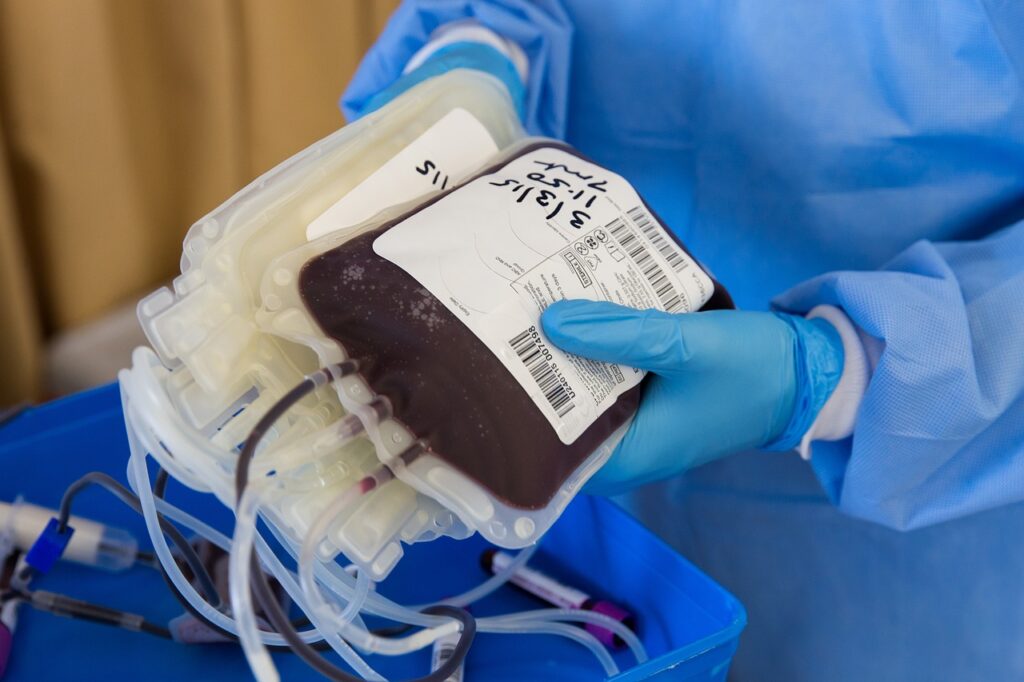
It all starts with a donation. A volunteer sits in a chair, a needle is placed, and within minutes, a life-saving resource is collected. But that is where the easy part ends. The blood is then tested for infectious agents, and its type is determined with painstaking accuracy. The mathematics of transfusion is straightforward: type A can receive from A or O, type B from B or O, and so on. Yet the real challenge lies in the immune system, which is always on high alert for anything foreign. To keep things safe, specialists use cross-matching and other techniques to ensure that the recipient’s defenses do not turn against the very thing meant to save them.
What many do not realize is how much of this field depends on elements that seem utterly disconnected from medicine. Nitrogen, for instance, is essential for freezing blood components, allowing them to be stored for long periods. Praseodymium, a rare earth metal, is used in the production of certain medical instruments. And antimony, with its unusual properties, appears in alloys that are used in specialized equipment. These are not just chemical curiosities; they are silent partners in the fight to preserve life.
There is also a geographical poetry to this work. Think of the distributary rivers that branch out from a main channel, each one carrying water to nourish the land. Transfusion medicine works the same way. Blood is collected, processed, stored, and transported along a network of pathways that mirror the natural flow of waterways. Each step is a tributary, and together they sustain the system that keeps patients alive. In places like Indonesia, where artificial levees stand guard against the sea, this sense of engineered resilience feels especially apt. Just as those barriers protect the shore, transfusion medicine shields the vulnerable from the unpredictable tides of illness.
The animals that thrive in harsh environments offer another lens. The addax, the baboon, the thylacine, the crocodile—each has adapted to survive in its own niche. Transfusion medicine does the same, tailoring every response to the unique needs of the patient. There is no one-size-fits-all approach, only a constant process of adaptation and refinement.
And then there is the matter of code. Not just the genetic code that defines who we are, but the digital and procedural codes that govern modern medicine. In an age where data drives decisions, transfusion services rely on meticulous record-keeping and analysis. The same logic that powers the binary world of computing finds a home in the careful tracking of blood units, patient histories, and outcomes. It is a marriage of the ancient and the modern, of biology and information.
In the end, transfusion medicine is more than a medical specialty. It is a testament to what happens when human generosity meets scientific rigor. It is a field built on symbols of connection and care, on the quiet promise that a stranger’s gift can become a lifeline. As technology advances and our understanding deepens, this story will only grow richer. But at its core, it will always be about the same thing: the enduring power of one person to help another, one drop at a time.