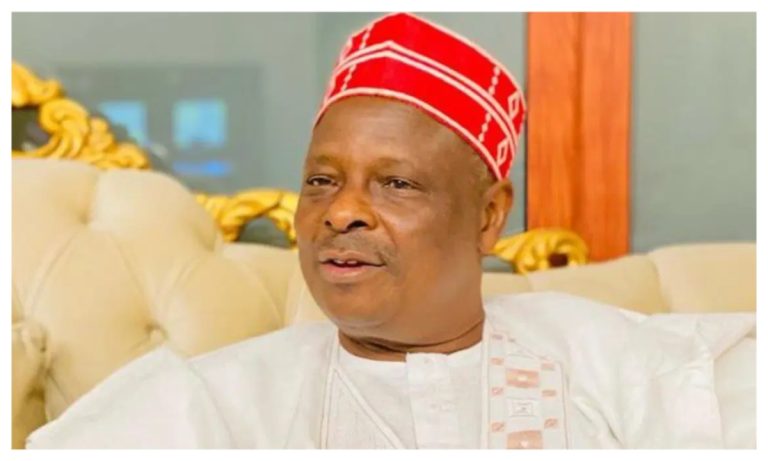
Bauchi State Governor Senator Bala Mohammed has warned opposition politicians against depending on federal government backing to secure electoral victories, declaring that the era of political imposition in Nigeria has ended.
Mohammed made the remarks on Monday after casting his ballot at Model Central Primary School, Yalwan Duguri, in Alkaleri Local Government Area during the state’s ongoing local government Elections.
The governor said recent electoral developments, including the outcome of the Osun State governorship election, demonstrated that federal influence could no longer guarantee victory at the polls. He described the decision by some opposition parties to boycott the council polls rather than test their popularity with voters as a tactical error.
“If they had listened to me, my advice was that they should have gone ahead to test their popularity,” Mohammed said. “If you sit down at home and think that the Federal Government will give you latitude and leeway to win an election, President Tinubu is showing people that he is a democrat.”
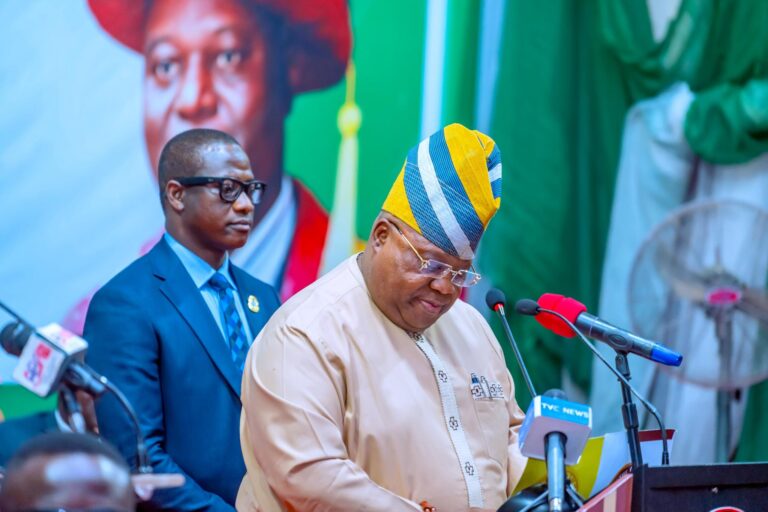
Mohammed cited the Osun election, where incumbent Governor Ademola Adeleke was declared winner, as evidence that voters now wield greater influence over electoral outcomes.
“You have seen what happened in Osun; the people voted, and their votes counted,” he said. “People should know that there is no person that is going to install them — there is no monarchy here. It is democratic governance.”
The governor urged political parties and their candidates to embrace the democratic process by engaging directly with the electorate instead of relying on external influence. He also reaffirmed his administration’s commitment to conducting an open, credible and competitive electoral process across Bauchi State.
The council elections are being held across the state’s 20 local government areas amid heightened political attention on the integrity of sub-national polls. Mohammed’s comments reflect a broader narrative among some state leaders that electoral credibility now depends more on voter mobilization than on central government interference.