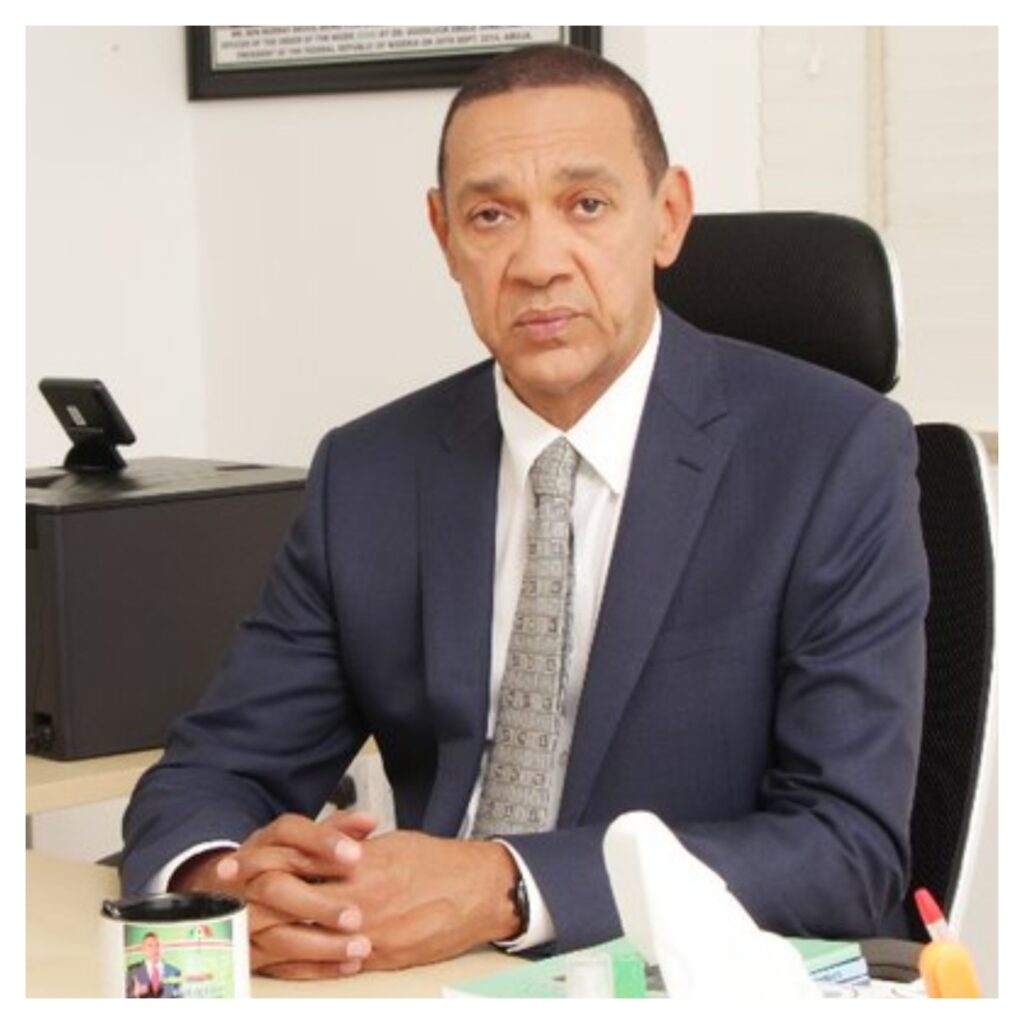
Former Senator Ben Murray-Bruce has urged President Bola Ahmed Tinubu to appoint bold and competent leadership to revive Nigeria’s struggling refineries and reform the petroleum sector.
In a statement released Wednesday, Murray-Bruce, widely known as “Mr Common Sense,” said the country requires what he described as “mad men” — courageous public officials willing to confront entrenched interests, dismantle dysfunctional systems and deliver measurable results in the oil and gas industry.
He stressed that the sector needs transformational leadership capable of moving beyond endless explanations, technical reviews and shifting deadlines. According to the former lawmaker, the President must identify individuals who can restore the Port Harcourt, Warri and Kaduna refineries to commercially viable operations while substantially increasing national crude oil output.
Murray-Bruce set a benchmark of at least 325,000 barrels per day in combined reliable throughput for the three government-owned plants. He said achieving that level would meet domestic demand and position Nigeria to export refined petroleum products.
On upstream production, he challenged the administration to appoint officials capable of driving output toward the stated target of four million barrels per day by 2030.
The call comes amid growing pressure from industry stakeholders. The Petroleum Products Retail Outlets Owners Association of Nigeria (PETROAN) recently demanded that the Nigerian National Petroleum Company Limited (NNPC Ltd) follow through on promises to revamp the Port Harcourt and Warri facilities.
PETROAN’s challenge followed a meeting between President Tinubu and the leadership of the Nigeria Union of Petroleum and Natural Gas Workers (NUPENG) at the Presidential Villa in Abuja. During that engagement, the President assured labour leaders that state-owned refineries would become operational.
Analysts say the renewed public scrutiny reflects frustration over years of missed deadlines and unfulfilled pledges on domestic refining capacity. With fuel imports draining foreign reserves and subsidy costs, the stakes for a credible turnaround remain high.
The administration’s next moves on appointments and project timelines will likely determine whether the latest assurances translate into tangible progress.