

The Federal Government has released half of the November 2022 check-off dues that were deducted from the salaries of all lecturers at federal universities in the country to the Academic Staff Union of Universities (ASUU). This information was confirmed by sources who noted that the Ministry of Labour and Employment had previously withheld these dues. According to the ministry’s spokesman, Olajide Oshundun, the government’s decision was prompted by ASUU’s failure to submit its audit reports. Check-off dues refer to the money deducted from an employee’s salary for union membership, which represents workers in a specific industry.
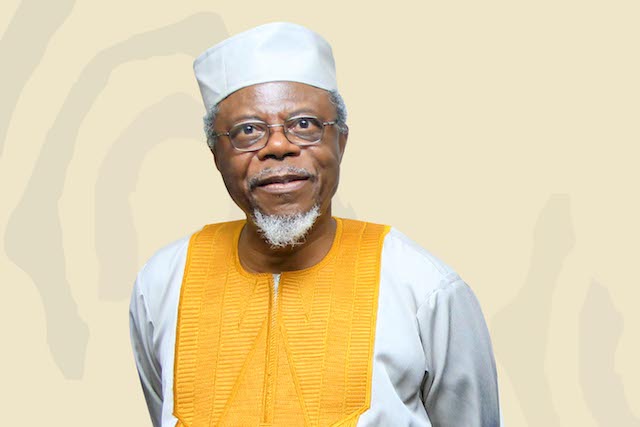
Prof. Gbolahan Bolarin, the chairperson of ASUU at the Federal University of Technology, Minna, stated that the union received an alert indicating the receipt of the check-off dues after the report was published. However, he expressed concern that the payment received was only a fraction of what was owed. He pointed out that while the government made full deductions from the salaries of ASUU members, only half of the amount was remitted to the union. Bolarin questioned the government about the whereabouts of the remaining balance, emphasizing that it is unacceptable to deduct the full amount and then remit only a portion.
Efforts to obtain comments from the Ministry of Labour and Employment’s spokesperson, Oshundun, were unsuccessful, as calls and messages went unanswered at the time of this report. Meanwhile, ASUU branches have held congresses to discuss recent developments between the union and the Federal Government. These developments include the government’s decision to pay withheld salaries to lecturers under the Congress of Nigerian Universities Academics (CONUA) and threats to deregister ASUU as a trade union. Bolarin noted that his branch resolved to urge the government to return to the negotiation table to prevent a new strike in the university system.
Despite ASUU suspending its strike on October 14, 2022, following an Appeal Court ruling in favor of the Federal Government, Bolarin highlighted that none of the issues that led to the strike have been addressed. He criticized the government’s decision to withhold lecturers’ salaries during the strike and reiterated the importance of teaching, research, and community service in a lecturer’s role. Bolarin warned that the situation is far from resolved, stating that the issues prompting the strike—such as the renegotiation of the 2009 agreement, funding for public universities, payment of Earned Academic Allowance, and the release of the visitation panel report—remain unresolved.
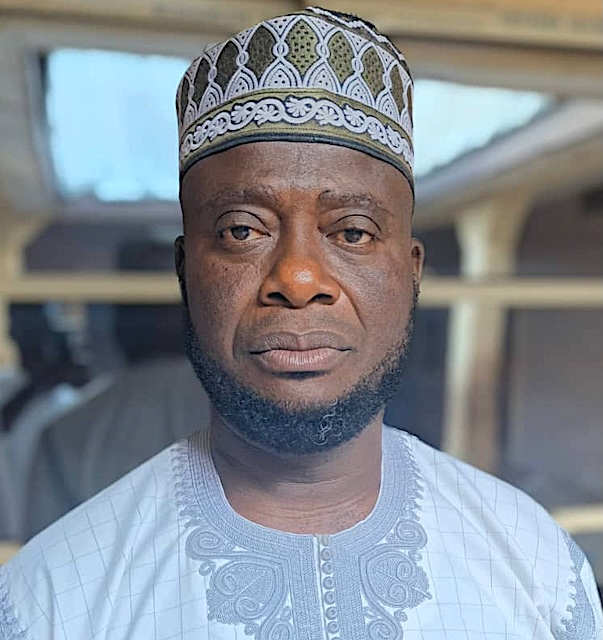
In a related development, the leadership of CONUA has appealed to the Federal Government to pay all university lecturers their eight months of withheld salaries. Although the government has begun processing payments for CONUA members who did not participate in the strike, Dr. Niyi Sunmonu, the president of the newly registered union, urged that all lecturers should receive their due payments. Sunmonu made this appeal during CONUA’s inaugural National Executive Council meeting at Obafemi Awolowo University, Ile-Ife, where he was ratified as the pioneer national president. He emphasized that CONUA did not declare a strike and argued that applying the no-work-no-pay policy to their members would be unjust.

Comments are closed for this story.