

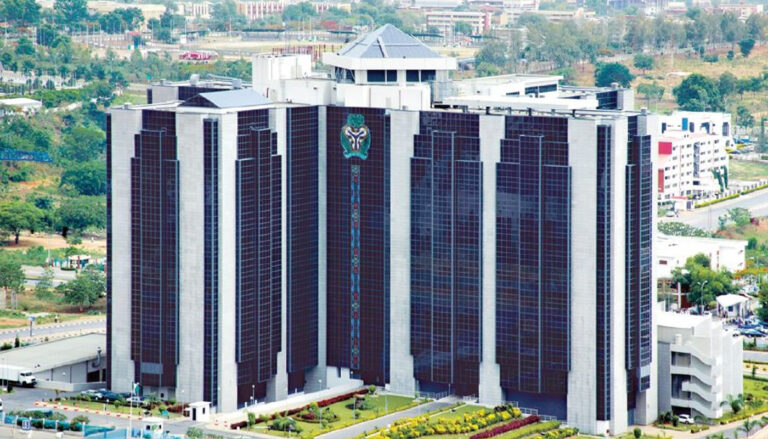
The Central Bank of Nigeria (CBN) has firmly maintained its January 31 deadline for the cash-swap policy, despite appeals from the National Assembly and various stakeholders. On Tuesday, CBN officials reiterated that there would be no extension, urging Nigerians to deposit their old N1,000, N500, and N200 notes in banks before the deadline. This insistence comes as bank customers across the country have begun rushing to exchange their old notes for new ones, leading to long queues at various banking institutions.
In Kano, customers flocked to commercial banks to either withdraw new naira notes or deposit their old ones. Many expressed frustration over the banks’ inability to provide sufficient new notes. While some ATMs were operational, many were out of service, leaving customers waiting in long lines. One customer, Lawan, shared his experience of waiting for hours only to withdraw less than he intended due to network issues. Another customer, Adamu Abdullahi, reported spending over four hours in line to deposit his old notes, highlighting the growing anxiety among traders who have stopped accepting the old currency.
Similarly, in Sokoto, residents faced long queues at bank branches and ATMs as they sought new naira notes. Many banks had to close their doors due to overcrowding, and customers voiced concerns about the limited number of functioning ATMs. Alhaji Aminu Maishanu, a bank customer, lamented that only one out of five machines was operational, complicating the process for many.
In Osun State, customers at various bank branches in Osogbo experienced significant delays while attempting to deposit old notes. Some customers insisted on receiving new notes over the counter, further complicating transactions. Reports indicated that many were becoming increasingly aware of the impending deadline, prompting them to act quickly.
In Ondo State, commercial banks were inundated with customers, particularly market traders and farmers who traveled from remote areas to access banking services. Mr. Sunday Adeoye, a customer from Oba Akoko, expressed frustration over the lack of banks in his area, which forced him to travel long distances. Alhaji Ismaila Musa, a farmer, echoed similar sentiments, urging banks to comply with CBN directives to ensure the availability of new notes.
In Borno, banks in Maiduguri saw a surge of customers rushing to deposit old notes and withdraw new ones. The queues were so extensive that customers were admitted in small groups to manage the crowd. Ahmed Hassan, a corporate account holder, shared his struggle to deposit a large sum due to the overwhelming number of depositors and the tedious process involved.
In Anambra, banks in major cities like Onitsha, Nnewi, and Awka were crowded with customers seeking to exchange their old naira notes. Many ATMs continued to dispense old notes, leading to complaints among customers. A town crier was even dispatched to inform the public that old notes would no longer be accepted for transactions starting Thursday.
Amidst these challenges, the Senate has called on the CBN to extend the deadline for exchanging old naira notes to July 31, 2023. This request follows a previous resolution urging an extension to June 30. The Senate’s motion was supported by many lawmakers who cited the scarcity of new notes as a significant concern. The House of Representatives has also urged President Muhammadu Buhari to intervene in the situation, inviting commercial banks to discuss the ongoing issues related to the currency swap.
Despite these appeals, CBN Governor Godwin Emefiele has reiterated that the deadline will not change. He emphasized that 90 to 100 days should be sufficient for individuals to deposit their old currency and that the CBN has taken measures to ensure banks remain open to facilitate this process. Emefiele also addressed concerns about the circulation of new notes, stating that the CBN has increased the volume of new currency disbursed to banks.
Furthermore, Emefiele has appealed to the Economic and Financial Crimes Commission (EFCC) and the Independent Corrupt Practices Commission (ICPC) to allow individuals to deposit their cash without fear of harassment. He expressed concern over the hoarding of cash, which undermines monetary policy, and urged the public to deposit their old notes before they become obsolete.
In response to allegations regarding the withholding of stamp duty revenues, Emefiele clarified that the amount claimed was vastly exaggerated compared to the total assets of the banking industry. He stated that the CBN has engaged audit firms to conduct a forensic audit of stamp duty collections to ensure transparency and accountability.


Comments are closed for this story.