

“Nothing is to be done which creates even a suspicion that there has been an improper interference with the course of justice.” This statement by Lord Hewart on November 9, 1923, in R v. Sussex Justices, underscores the importance of maintaining the integrity of the judicial system. An extraordinary event unfolded in Ikere-Ekiti, Ekiti State, South-West Nigeria, on January 19, 2023. On that day, Governor Abiodun Oyebanji commissioned a new courthouse built by Chief Oluwole Oladapo Olanipekun, a prominent lawyer. The event was attended by notable figures from various sectors, including politics, faith, business, and the legal profession. The Thisday newspaper characterized the project as an act of “selfless philanthropy,” and Governor Oyebanji encouraged indigenes worldwide to emulate this spirit of generous giving.
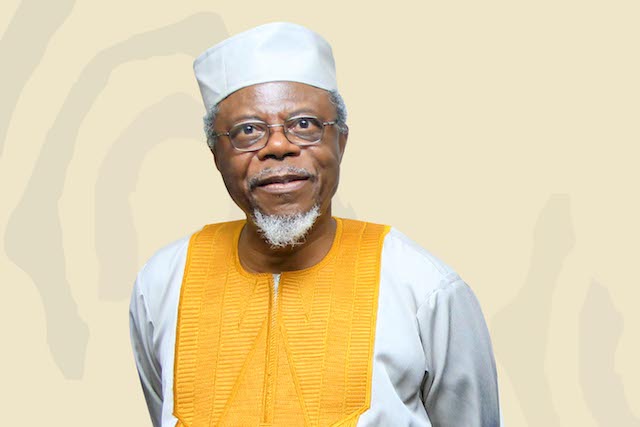
Chief Olanipekun, who constructed the courthouse in his hometown, is well-known for his philanthropic contributions to leading Nigerian universities, including the University of Ibadan, the University of Lagos, and Ajayi Crowther University. He has also provided significant support during the COVID-19 pandemic and has run a scholarship scheme for underprivileged students at various educational levels, including vocational studies at the Nigerian Law School. His commitment to philanthropy is widely recognized, and he is considered one of the most successful Nigerian lawyers of his generation, leading one of the largest law firms in the country. He became a Senior Advocate of Nigeria in 1991 and served as President of the Nigerian Bar Association eleven years later. Additionally, he has held positions as Pro-Chancellor and Chair of the Governing Council at several universities and currently leads the Body of Benchers, which is responsible for admitting new lawyers into the profession.
However, the construction of this courthouse raises significant concerns. Chief Olanipekun clarified during the commissioning ceremony that the project was initiated with the consent and permission of the Honourable Chief Judge of Ekiti State, who approved and modified the architectural drawings. This leads to critical questions about the chief judge’s rationale for allowing a lawyer in active private practice to build and “donate” a courthouse to the judiciary. Despite the potential benefits of well-appointed courthouses, the idea of any individual constructing and donating one to the judiciary is fraught with implications that warrant serious scrutiny.
There are several compelling reasons to reject this model for addressing the challenges facing Nigeria’s judicial system. First, courthouses are fundamental to the essence of statehood. The state exists to ensure the well-being of its citizens and maintains a monopoly on legitimate adjudication, which is crucial for preventing grievances from escalating into violence. If the state cannot dispense justice credibly, it undermines its authority and the social contract with its citizens.
Second, the credibility of the judicial function and public trust in its institutions hinge on perceptions of independence and impartiality. When a courthouse is built by an individual with personal ties to the community, it raises concerns about the impartiality of the decisions made within its walls. Even litigants from the same village may perceive that their cases are influenced by the benefactor’s status, casting a shadow over the judges’ ability to remain unbiased.
Third, a lawyer in active practice should not be permitted to build or donate a courthouse due to the inherent risks of perceived professional influence. Such a donation could lead to challenges against judicial decisions made in that courthouse, damaging the trust and confidence essential for the judiciary’s function.
Fourth, this model of courthouse donation presents a slippery slope. While the initial motivation may be altruistic, it opens the door for individuals with less noble intentions to exploit the system. If one person can build and donate a courthouse, it is likely that others, including those with questionable backgrounds, will follow suit, potentially transforming courthouses into extensions of private interests rather than institutions of justice.
Finally, this practice violates constitutional rules regarding fair hearing and the Judicial Code of Conduct. Rule 1(4) of the Code prohibits judges from engaging in contacts that may suggest a special relationship with individuals who could influence their judicial duties. A judge presiding over a court built by a private individual cannot avoid the appearance of favoritism, undermining the integrity of the judicial process.
While Nigeria’s judicial system faces numerous challenges, including funding issues, alternative solutions exist. For instance, establishing an Administration of Justice Trust Fund, similar to security trust funds, could provide a more appropriate means of addressing the judiciary’s needs. As for the courthouse already constructed in Ekiti State, it would be prudent to acknowledge the donor’s public spirit while repurposing the facility for alternative uses, such as a public library, to avoid compromising the administration of justice.
In conclusion, this situation highlights the necessity for vigilance against any actions that may suggest improper interference in the judicial process. It is imperative that the Nigerian Bar Association, the Chief Justice of Nigeria, and the National Judicial Council take steps to ensure that this instance remains an isolated case of courthouse donations in Nigeria.



Comments are closed for this story.