
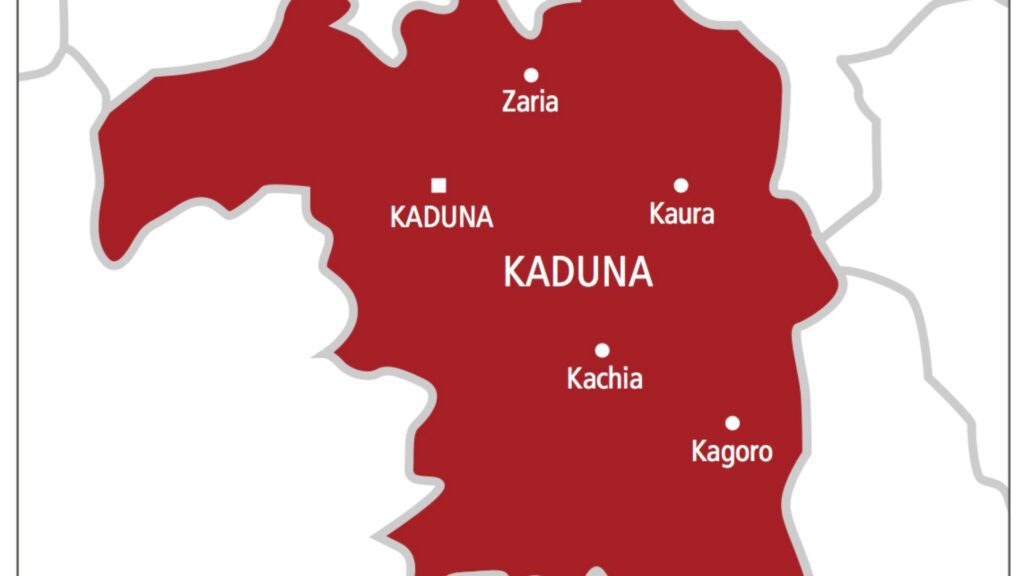
Hunger and poverty have worsened in various parts of Kaduna State as the strike by the Electricity Distribution Company of Nigeria continues unabated.
Media Talk Africa recalls that the management of the Kaduna Electric Distribution Company had planned to lay off 900 employees. However, the electricity workers’ union insisted that until assurances were given regarding the payment of benefits to the disengaged staff, the company would not resume operations in the state.
Although there was an attempt to intervene in a meeting between the union and the deputy governor on Thursday, the meeting has yet to yield results, as electricity supply remains cut off.
Following the shutdown, businesses across the state have been forced to close, particularly those reliant on electricity, such as borehole operators, barbershops, hairdressing salons, and grinding mills, leading to a severe water shortage and economic hardship. In areas where services are still available, the costs have skyrocketed.
Mrs Juliet Olayemi, who owns a hairdressing salon, said she now charges between N10,000 and N15,000 for washing and relaxing hair because she relies on a generator.
Similarly, Mr Adole James, a barber in Kakuri Airforce, said he now charges between N500 and N700, depending on the haircut style.
Speaking to Media Talk Africa on Friday, Mr Daniel Obanjo lamented: “We couldn’t get light to grind corn, and we don’t have any other food. We usually use electricity to cook rice because I can’t afford to buy gas.
“We are seriously in trouble because we don’t even know when this blackout will end.”
Mrs Josephine Jackson, another affected resident, explained that she relies on a grinding machine to earn a daily income of over N5,000. However, since the strike began, she has been unable to buy food for her five children, as her husband, Mathias, is disabled.
“My husband is handicapped, and I am the only one providing for the family through grinding work. But since the electricity workers’ strike, hunger has persisted in our home because we have no other source of income,” she said.
Students at St. Gerald Hospital, who spoke to Media Talk Africa on condition of anonymity, expressed their struggles in preparing meals.
“We always use electricity to cook, but since the strike, we can’t afford to buy gas. Buying food from roadside vendors is also expensive,” one student said.
A visit to the Electric Distribution Company headquarters at 4 pm on Friday showed affected staff gathered in groups discussing the situation, while others sat alone in despair.



Comments are closed for this story.