
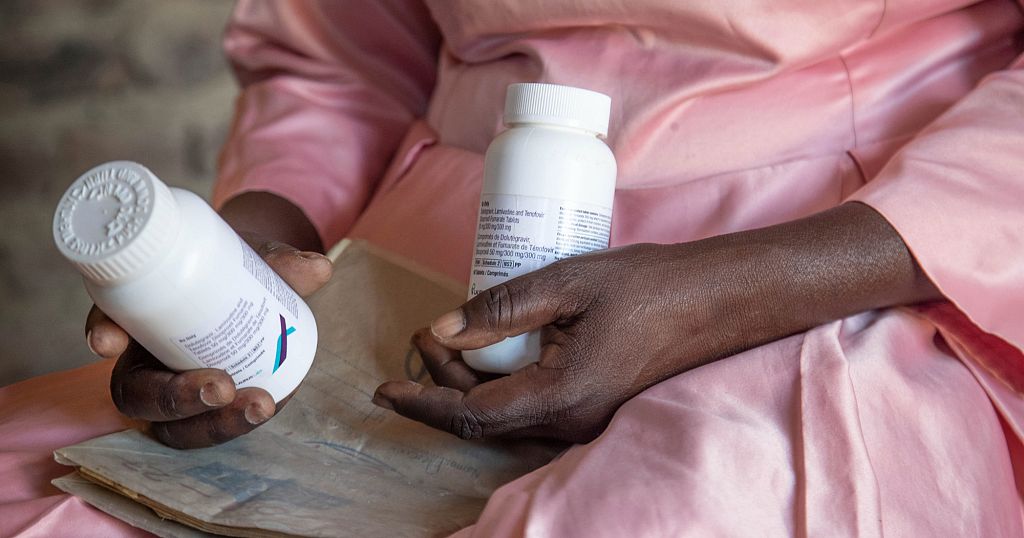
The U.S. Senate narrowly approved $9 billion in federal spending cuts requested by President Donald Trump, advancing one of his key priorities despite bipartisan concerns over reductions to foreign aid and public broadcasting. Passed early Thursday morning in a 51-48 vote, the legislation targets programs ranging from the Corporation for Public Broadcasting to international food assistance, though its impact on the national debt remains minimal. The bill now heads to the House for consideration, but disputes over executive authority and the human toll of budget reductions have sparked sharp debates. While the cuts represent a fraction of the federal budget, critics argue they disproportionately affect critical services. Programs like PEPFAR, the U.S.-funded global HIV/AIDS initiative credited with saving millions of lives since its 2003 launch under President George W. Bush, initially faced a $400 million reduction. Republican leaders removed that provision following objections within their own party, but other international aid programs remain vulnerable. Democratic lawmakers attempted to block several cuts through amendments during a marathon 12-hour session, but none succeeded. Concerns over congressional oversight emerged as a recurring theme. Some Republicans joined Democrats in warning that the bill transfers too much authority to the Trump administration’s Office of Management and Budget, which would decide how cuts are implemented. Senator Brian Schatz, a Hawaii Democrat, condemned the foreign aid reductions as morally indefensible, citing their life-and-death consequences. “The cost to save a starving child or prevent disease transmission is minuscule, yet these cuts ensure people are dying because of us, not in spite of us,” he said during floor debates. The vote underscores tensions between fiscal priorities and global humanitarian commitments. While supporters frame the cuts as streamlining inefficient spending, opponents stress risks to U.S. diplomatic influence and vulnerable populations abroad. As the House prepares to review the legislation, advocates for affected programs warn that even marginal reductions could disrupt decades of progress in public health and international cooperation. The outcome may also set a precedent for future budget battles, testing the balance of power between Congress and the executive branch.
Global News
2 min read
Senate Approves $9B Trump Cuts to Foreign Aid, Public Broadcasting
The U.S. Senate narrowly approved $9 billion in federal spending cuts requested by President Donald Trump, advancing one of his […]
More stories like this
Metro News Africa
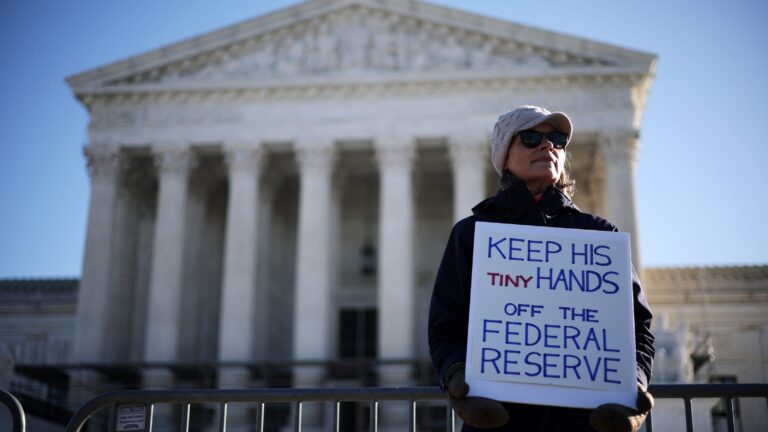
Supreme Court Blocks Trump’s Bid to Fire Fed Governor Lisa Cook in Landmark Ruling

Metro News Africa
Supreme Court Refuses to Halt Trump’s $5 Million Payout to E. Jean Carroll
Metro News Africa
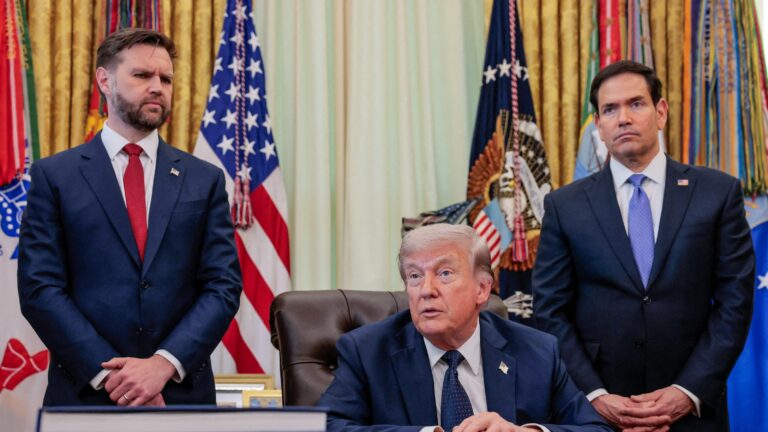
The 2028 GOP Jockeying Begins: Vance vs. Rubio, With Trump Holding the Cards

Metro News Africa
Comments are closed for this story.