
Nigeria’s Naira Rebounds at Official Markets, Slides at Black Market
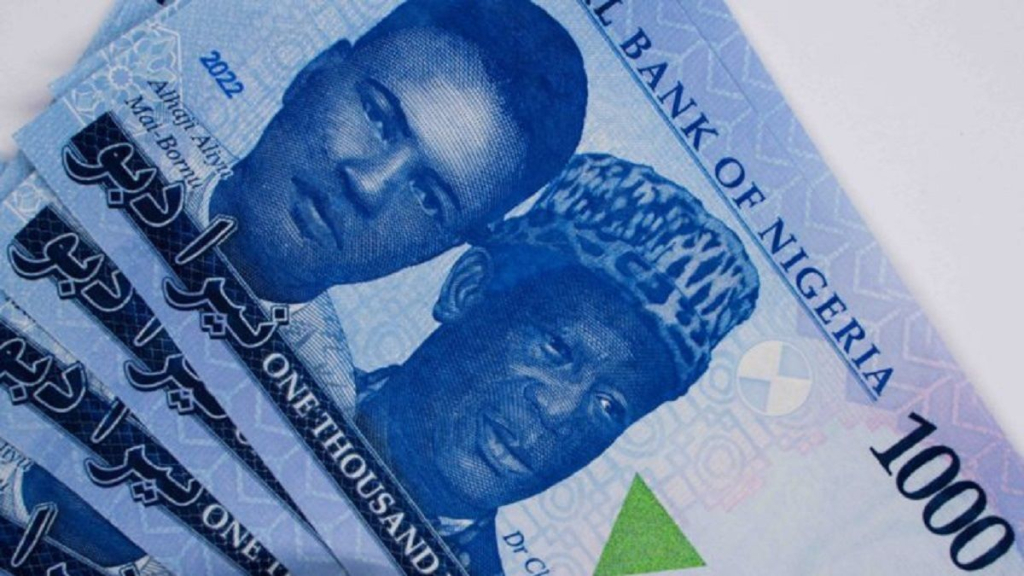
The Nigerian naira staged a comeback at the official foreign exchange market on Thursday, appreciating marginally against the dollar after a day of depreciation. As per data from the Central Bank of Nigeria (CBN), the naira strengthened to ₦1,533.55 per dollar on Thursday, up from ₦1,534.52 the previous day. This gain of ₦0.97 reflected a modest rebound at the official market.
However, a contrasting trend emerged at the parallel, or black, foreign exchange market. Here, the naira slid significantly, falling to ₦1,560 per dollar on Thursday from ₦1,545 on Wednesday. This decline of ₦15 demonstrated the divergence in exchange rates between the official and parallel markets.
A Bureau De Change (BDC) operator in Wuse Zone, Abuja, Abubakar Hassan, attributed the drop in the naira’s value against the dollar on Thursday to increased demand for foreign exchange. This surge in demand, he suggested, outstripped available supply, leading to a depreciation in the naira’s value.
Wednesday had seen the naira depreciate for the first time at the official foreign exchange market, but it remained steady at the black market, according to reports from Media Talk Africa. This marked a shift in the naira’s performance at the official market, where it had previously maintained stability.
The nuances in the naira’s performance at the official and black markets highlight the complex dynamics at play in Nigeria’s foreign exchange landscape. The CBN’s interventions and policies at the official market contrast with the less regulated parallel market, where demand and supply dynamics drive exchange rates.
While the naira’s appreciation at the official market signals a measure of stability, the significant decline at the black market underscores the challenges in Nigeria’s efforts to unify its multiple exchange rates. The Brazilian real and the Turkish lira, for instance, have also exhibited fluctuations in their exchange rates recently, demonstrating the volatile nature of global foreign exchange markets.
As Nigeria continues to grapple with the impacts of the COVID-19 pandemic and struggles to boost its oil revenues, the naira’s exchange rate will remain a critical indicator of the nation’s economic health.



Comments are closed for this story.