
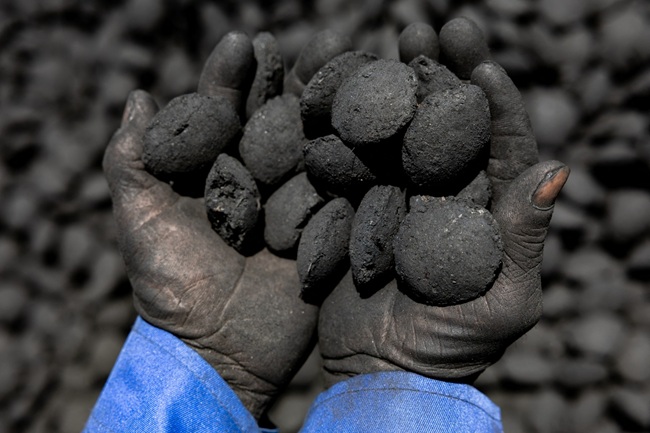
Colombia’s coal exports have plummeted by almost half in July compared with the same month last year, according to official figures released on Wednesday. The decline is linked to a global price crisis and President Gustavo Petro’s recent ban on coal sales to Israel. As Latin America’s leading coal producer, Colombia has now experienced a downturn for five consecutive quarters.
The National Administrative Department of Statistics reported that coal exports fell to $479.8 million in July, a 45.8 % decrease from the $885.8 million recorded in July 2024. Local mining unions attribute the drop in global coal prices largely to increased production in Indonesia. Petro’s ban, imposed in protest of Israel’s actions in Gaza, has further hurt the industry, as Colombia was previously Israel’s primary coal supplier.
In addition to the export ban, Petro has introduced higher taxes on coal as part of a broader strategy to shift the country toward renewable energy. Since taking office in 2022, he has halted several mining projects and promoted agriculture and tourism as alternative sectors for the roughly 350,000 people employed in mineral exploration. Miners, however, fear job losses, and towns dependent on mining are already feeling the impact. “The government wants to end mining, but they don’t think about us,” said Jorge Noriega, a 60‑year‑old coal‑mine worker from Tausa.
El Cerrejón, Colombia’s largest coal mine operated by Glencore, announced in March that it would cut production by 50 % because of high operating costs. The decline in coal exports and the challenges facing the sector have significant implications for Colombia’s economy and for the livelihoods of those who depend on it. As the country navigates this transition, it remains to be seen how the government will balance its sustainability goals with the need to support workers and communities affected by the coal industry’s downturn.




Comments are closed for this story.