
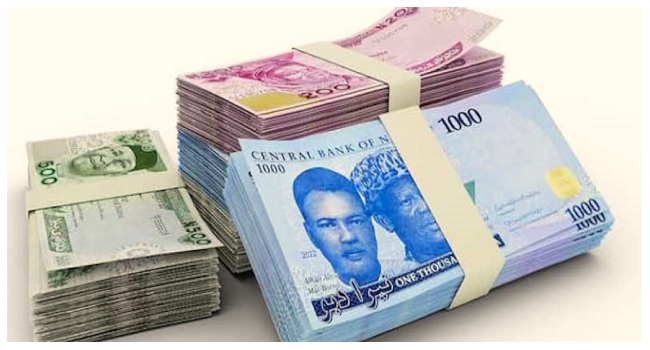
The Nigerian naira has reached a five‑month high, trading at 1,514.86 per dollar in the official window, according to data from the Central Bank of Nigeria. The currency began September at 1,526.09 per dollar and closed at 1,514.86 on Thursday in the Nigerian Foreign Exchange Market. This marks its strongest level since March 6, when it last fell below the 1,515‑per‑dollar mark, closing at 1,512.30.
In the parallel market, the naira also appreciated, rising to 1,538 per dollar—a 0.02 percent gain. The Central Bank’s intervention of $15 million, together with additional portfolio flows, increased supply and propelled a sharp rally into the 1,519‑1,523 range.
Analysts expect the naira to remain relatively stable in both official and parallel markets over the coming week, supported by continued dollar inflows and a modest buildup in external reserves. However, speculative demand and volatility in global oil prices could limit further gains. The outcome of the OPEC+ meeting is likely to be a key driver of crude‑oil prices, which in turn will affect Nigeria’s external earnings and foreign‑exchange dynamics.
Nigeria’s economy is heavily reliant on oil exports, so fluctuations in global oil prices can significantly impact national revenue. While the recent strengthening of the naira is a positive development, maintaining currency stability is essential for the country’s economic growth and development. The government has implemented measures such as foreign‑exchange interventions and policies to boost domestic production, and external reserves have been gradually increasing, providing a cushion against external shocks.
As the naira continues to trade near its five‑month high, close monitoring of its performance and the influencing factors—particularly global oil prices and foreign‑exchange market dynamics—remains crucial.




Comments are closed for this story.