

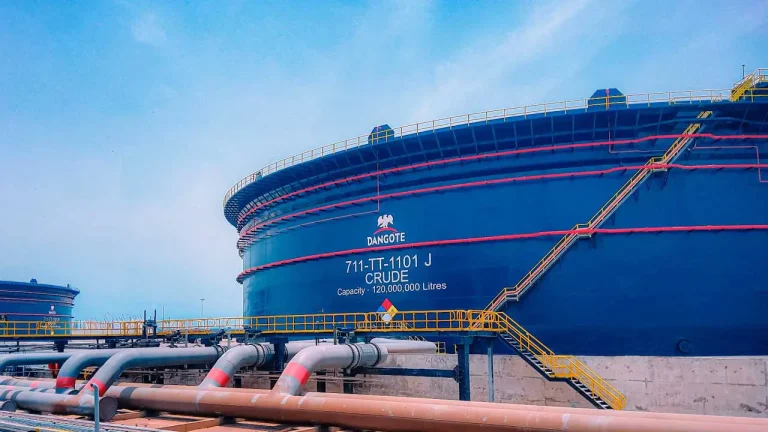
A high‑stakes meeting on Monday brought together the Nigerian Federal Government, the Nigeria Petroleum and Natural Gas Workers Union (NUPENG), Dangote Group and other key stakeholders, but it ended without a resolution. Originally slated for 3 p.m. on Tuesday, the discussion was postponed until after 5 p.m. and was intended to address the ongoing dispute between NUPENG and Dangote Group. The federal government convened the talks to settle the confrontation that arose from Dangote’s plan to deploy 4,000 compressed natural gas trucks for nationwide petroleum product distribution.
NUPENG President Williams Akporeha accused Dangote Group of anti‑labour practices, claiming the policy would enslave workers. Dangote, however, remained firm on implementing its plan. Labour and Employment Minister Muhammad Dingyadi underscored the meeting’s importance, describing it as an effort to reconcile oil‑industry labour unions with Dangote’s employers. Despite the significance of the talks, none of the parties have released official details of the outcome, and industry sources indicate that no agreement was reached.
Independent Petroleum Marketers Association of Nigeria National President Abubakar Maigandi emphasized the need for a sustainable solution, warning of the broader impact on all Nigerians. In response to the dispute, NUPENG initiated a strike on Monday, shutting down major depots and several filling stations in Lagos and Warri. The strike has already driven up transportation costs in Warri, and there are concerns that petrol scarcity could emerge, leading to higher prices. Other industry bodies—the Petroleum Products Retail Outlets Owners Association of Nigeria and the Nigerian Association of Road Transport Owners—have threatened to mobilise their members to down tools, which could further exacerbate the situation.
As events unfold, fuel prices in parts of the Federal Capital Territory have remained steady, ranging from N885 to N910 per litre. Nonetheless, the risk of widespread shortages and price hikes heightens the importance of resolving the NUPENG‑Dangote dispute swiftly and sustainably to prevent disruption of the nation’s petroleum product distribution.

Comments are closed for this story.