
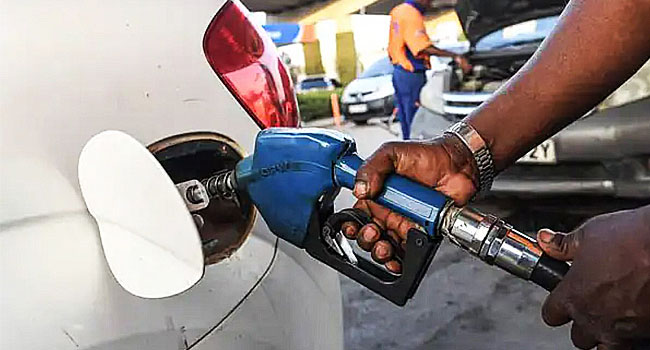
The Nigerian government has clarified that the 5 % fuel surcharge was not introduced by the current administration. Taiwo Oyedele, chairman of the Presidential Committee on Fiscal Policy and Tax Reforms, explained that the law authorising the surcharge was enacted in 2007, but its implementation was delayed because of fuel subsidies. He stressed that the surcharge was not included in the tax bills signed into law by President Bola Tinubu earlier this year.
During the recent tax‑reform process, the government decided to consolidate tax collection and eliminate multiple agencies that were collecting taxes. Under the new arrangement, the Federal Road Maintenance Agency (FERMA) is responsible for collecting the surcharge, with 40 % of the revenue allocated to the federal government for road maintenance and 60 % to the states. Although some reports suggested the surcharge would take effect in January, Oyedele said there is no indication that this will happen.
The clarification comes amid backlash from Nigerians, civil‑society groups and trade unions, who have criticised the timing of the surcharge. The Trade Union Congress (TUC) has threatened to strike, and the organised private sector has rejected the measure. Oyedele argued that the surcharge will help maintain the country’s road infrastructure, ultimately benefiting Nigerians.
The controversy highlights the need for clear communication and transparency in government policy decisions. As the situation unfolds, it remains to be seen how the government will address the concerns of various stakeholders while balancing infrastructure development with the potential impact on citizens. With Nigeria’s economy still recovering from the pandemic and other global challenges, decisions on taxation and infrastructure will be closely watched. Moving forward, it will be essential for the government to consider all perspectives and ensure that policies are implemented in a way that benefits the country as a whole.


Comments are closed for this story.