
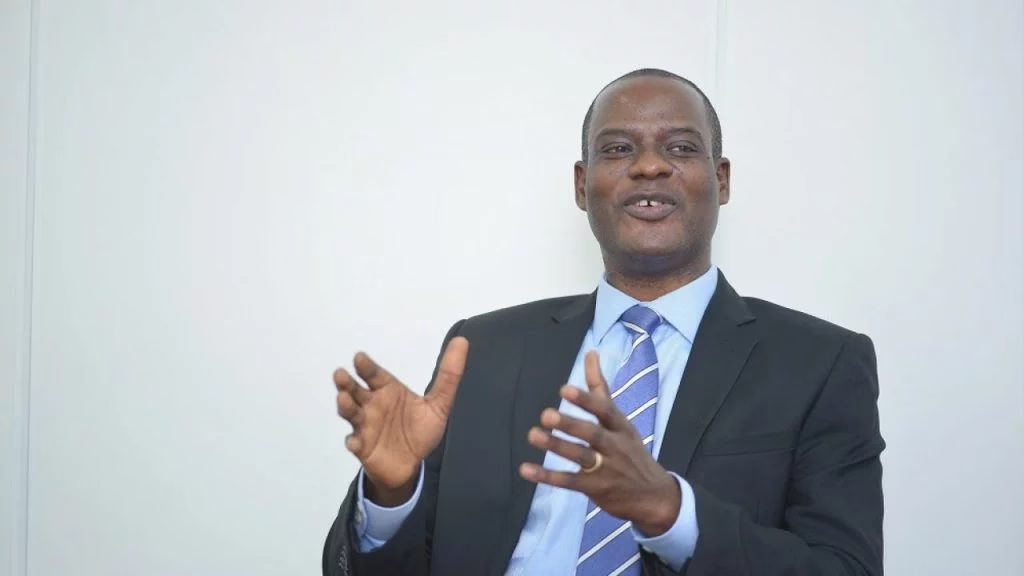
Nigeria’s fuel‑subsidy savings are insufficient to meet the country’s development needs, said Taiwo Oyedele, Chairman of the Presidential Committee on Fiscal Policy and Tax Reforms. Speaking at a capacity‑building training on the Nigeria Tax Act in Abuja, Oyedele stressed that comprehensive tax reforms are essential for sustainable economic growth.
He pointed out that the total annual budget for the federal, state and local governments is under $50 billion—an amount he described as inadequate for a nation of more than 200 million people. Even without corruption or waste, the resources available are insufficient to transform Nigeria, and subsidy savings alone cannot fund the necessary infrastructure and services.
Oyedele explained that the fuel‑subsidy regime has pushed the federation to the brink of collapse. The Nigerian National Petroleum Company Limited has been withholding remittances and pledging future crude production as collateral to pay for petrol imports. Although the removal of fuel subsidies since 2023 has generated some savings, these are far too modest to address the country’s development challenges.
The chairman warned that Nigeria’s fiscal space is too limited and that the economy must be repositioned through comprehensive tax reforms. He emphasized the need to explore alternative revenue sources to support growth and development. With a large population and significant development needs, Nigeria requires a more sustainable and diversified revenue base to achieve its economic goals.
The call for tax reforms comes as Nigeria seeks to recover from the economic impacts of the COVID‑19 pandemic and confront long‑term development challenges. Heavy reliance on oil exports, corruption and inadequate infrastructure have hindered growth. By embracing comprehensive tax reforms, Nigeria can take a crucial step toward sustainable economic growth and improved living standards for its citizens.



Comments are closed for this story.