
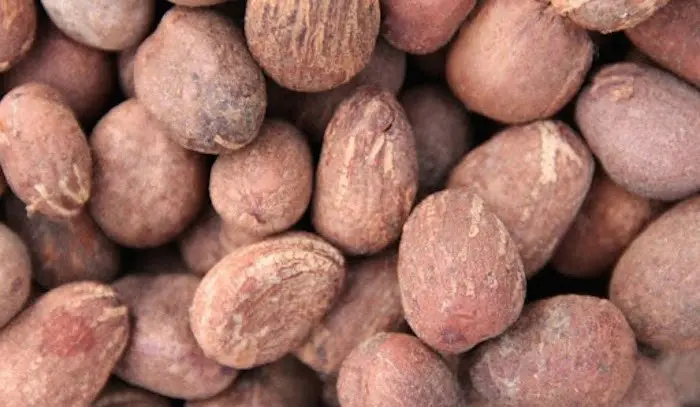
The Nigerian government’s recent ban on shea nut exports has triggered a sharp decline in prices, with the Centre for the Promotion of Private Enterprise (CPPE) reporting a 30 % drop. The six‑month ban, which began on 26 August 2025, is intended to strengthen the domestic value chain and support Nigeria’s industrialisation. However, the abrupt implementation has disrupted the entire shea nut value chain, affecting farmers, aggregators, exporters and logistics providers.
The CPPE warns that the sudden policy shift has caused severe disruptions, eroding the incomes of farmers and aggregators and jeopardising existing export contracts. Exporters now face legal and reputational risks, while primary producers risk receiving less than fair market value for their produce, threatening rural livelihoods. Suppliers in Niger and Kogi States have already reported significant price falls since the ban took effect.
The organization recommends a phased transition rather than an instantaneous halt, allowing businesses time to adjust operations and minimise stakeholder impact. It urges the government to set clear timelines for phasing out raw exports and to avoid policies that force primary producers to subsidise processors indirectly. Director Muda Yusuf emphasised the need to protect farmers and sustain the sector that provides livelihoods for many Nigerians.
The current disruptions raise concerns about the long‑term impact on the shea nut industry and the broader economy. As the situation evolves, the government’s response to the CPPE’s concerns and those of other stakeholders will be crucial in determining the future of Nigeria’s shea nut sector.




Comments are closed for this story.