
A recent United Nations report accuses South Sudan’s government of siphoning billions of dollars in oil revenue since the country’s independence in 2011. The Commission on Human Rights in South Sudan found that the government received $25.2 billion in oil inflows between 2011 and 2024, yet only a tiny fraction was directed toward essential services such as healthcare and education. Chair Yasmin Sooka said the report “tells the story of the plundering of a nation,” a process that has driven widespread hunger, a collapsing health system and preventable deaths. The corruption has also fueled deadly armed conflicts over resources.
The commission’s findings point to systemic government corruption and brazen predation, exemplified by the “Oil for Roads” program—a flagship development scheme that received $2.2 billion between 2021 and 2024, of which $1.7 billion remains unaccounted for. The report alleges that the missing funds were funneled through construction companies owned by Vice‑President Benjamin Bol Mel, a fast‑rising political figure seen as a likely successor to President Salva Kiir. Commission member Carlos Castresana Fernandez stressed that the diversion of money has real‑life consequences, causing preventable deaths, widespread malnutrition and mass exclusion from education.
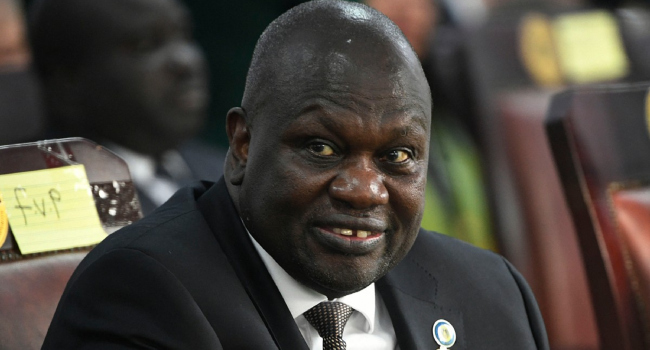
The South Sudanese government has rejected the report, claiming the commission relies on “unverified information” from journalists, civil‑society groups and UN agencies. Nonetheless, the findings emerge at a critical moment: a power‑sharing agreement between Kiir and his long‑time rival Riek Machar is unraveling, raising the risk of a return to civil war. Machar was recently charged with treason and crimes against humanity, and his supporters have called for armed mobilization to achieve “regime change.”
The situation underscores the need for South Sudan’s international partners to adopt a firm stance against corruption and ensure that the country’s resources benefit its people. As the commission’s report makes clear, inaction will have devastating, far‑reaching impacts on the nation’s most vulnerable populations. The international community must prioritize transparency, accountability and the protection of human rights in South Sudan to prevent further instability and suffering.

Comments are closed for this story.