
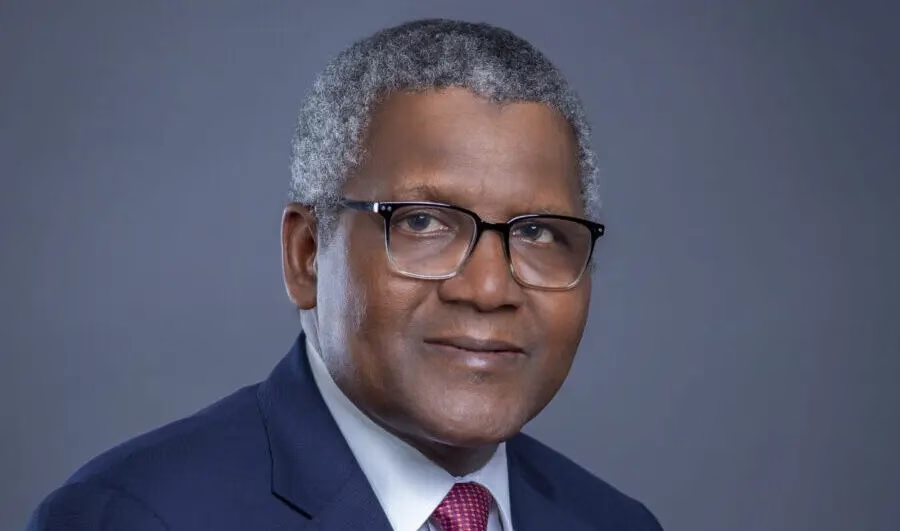
Aliko Dangote, the prominent Nigerian business magnate, has asserted that the refineries owned by the Nigerian National Petroleum Company Limited (NNPCL) can only produce low‑value premium motor spirit. In a recent interview he claimed that NNPCL’s facilities lack the capacity to compete with his own 650,000‑barrel‑per‑day refinery, which he says is set to dominate the market.
Dangote explained that the Nigerian market is primarily a gasoline market and that his refinery is designed to produce 54 % gasoline, whereas NNPCL’s refineries can achieve only 18 % gasoline output. He noted that the NNPCL plants would mainly generate low‑value fuel oil, which has limited demand and leads to significant losses. According to Dangote, without revenue in the downstream oil sector there will be no investment, and if his company does not make a profit, no other entity will venture into the business.
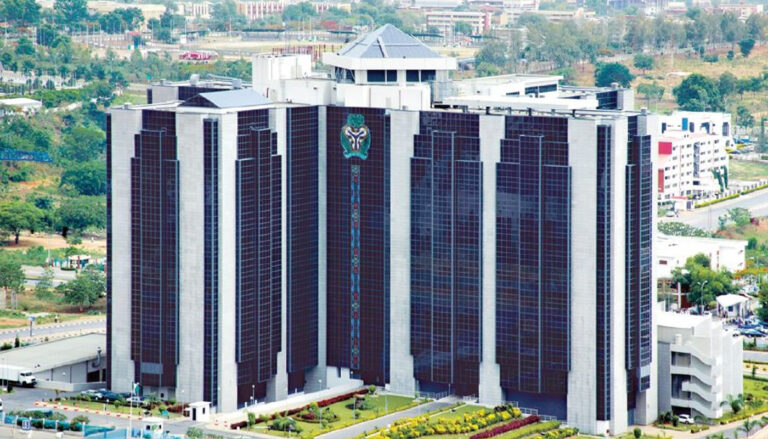
The Port Harcourt, Warri and Kaduna refineries, currently shut down for maintenance and review, face considerable challenges in competing with Dangote’s operation. Despite these struggles, NNPCL Group Chief Executive Officer Bayo Ojulari has ruled out the sale of the Nigerian refineries.
Dangote’s comments follow a dispute between his refinery and the Nigeria Union of Petroleum and Natural Gas Workers (NUPENG) over the unionisation of his drivers. NUPENG had accused Dangote of monopolising the fuel‑distribution market, but Dangote dismissed the allegations, stating that he deliberately avoided entering fuel distribution to prevent being labelled a monopoly.
The confrontation between Dangote’s refinery and NUPENG highlights the complexities and challenges within Nigeria’s oil and gas industry. As the government continues to grapple with the underperformance of the refineries, Dangote’s assertions underscore the need for substantial investment and reforms in the sector. The fate of Nigeria’s refineries and its downstream oil market hangs in the balance, with Dangote’s refinery poised to play a major role in shaping the industry’s future. Given Nigeria’s significance in the global oil and gas arena, developments in its downstream sector are being closely monitored by international observers.


Comments are closed for this story.