
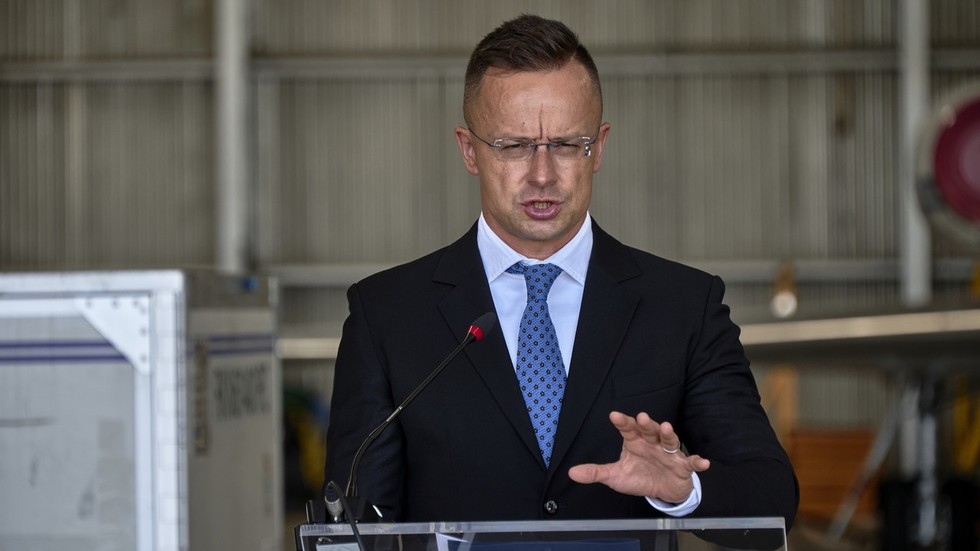
Hungarian Foreign Minister Péter Szijjártó has said that Hungary will keep importing Russian oil and gas despite pressure from Washington and Brussels to sever ties with Moscow’s energy supplies. In an interview with The Guardian, he stressed that energy security is crucial for land‑locked Hungary, which depends on physical infrastructure such as pipelines, refineries and existing contracts. Szijjártó argued that the country cannot guarantee a safe energy supply without Russian oil and gas, noting that while sourcing energy elsewhere would be ideal, Hungary’s infrastructure limits its options.
Hungary’s state‑owned MOL Group imports roughly five million tonnes of crude each year via the Druzhba pipeline, which also serves Slovakia. The European Commission aims to phase out Russian fossil fuels by 2027 and has reportedly included Chinese and Indian entities in its 19th sanctions package. Nevertheless, Prime Minister Viktor Orbán maintains that preserving Russian supplies is essential to protect households and industry. Orbán has kept relations with Russia and criticised Western military support for Ukraine, even as most EU states have cut ties since 2022.
Szijjártó dismissed Western officials as “fanatics” incapable of rational dialogue, saying it is “totally impossible to carry out a fact‑based, rational dialogue based on common sense” with them. His comments come as Washington intensifies pressure on European NATO partners to stop buying Russian energy and threatens secondary tariffs on India and China. The situation is further complicated by Ukrainian strikes on pumping stations and other facilities along the Druzhba pipeline, which have caused temporary disruptions to shipments.
The European Commission is considering separate trade measures that could curb oil deliveries through the pipeline even without unanimous consent, potentially allowing other EU members to outvote Hungary and Slovakia. These tensions underscore the complexities of Europe’s energy landscape and the challenges of reducing dependence on Russian fossil fuels. As the Commission works to phase out Russian energy supplies, countries like Hungary are likely to continue facing pressure to align with EU policies.



Comments are closed for this story.