
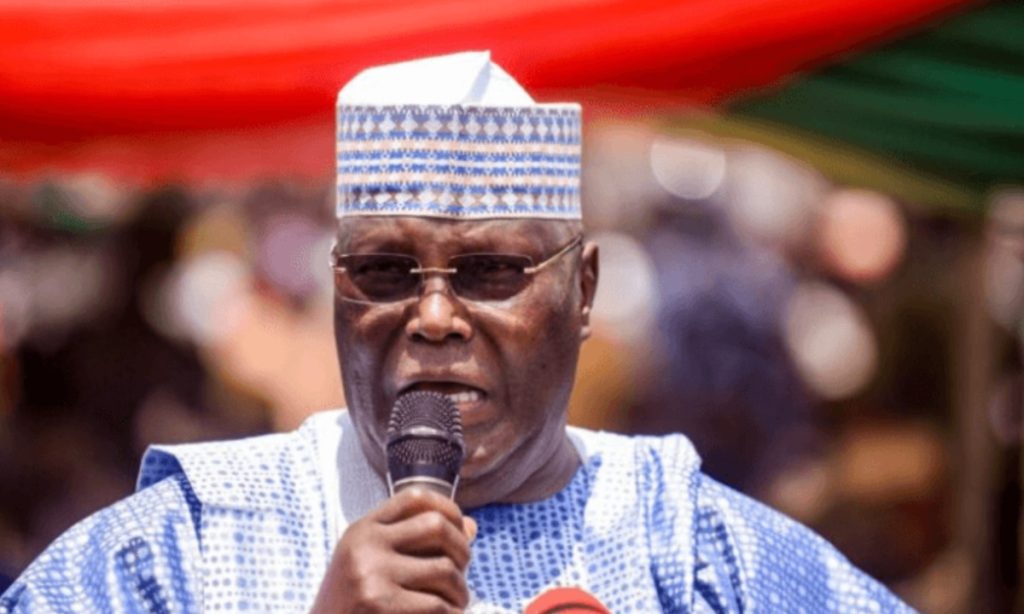
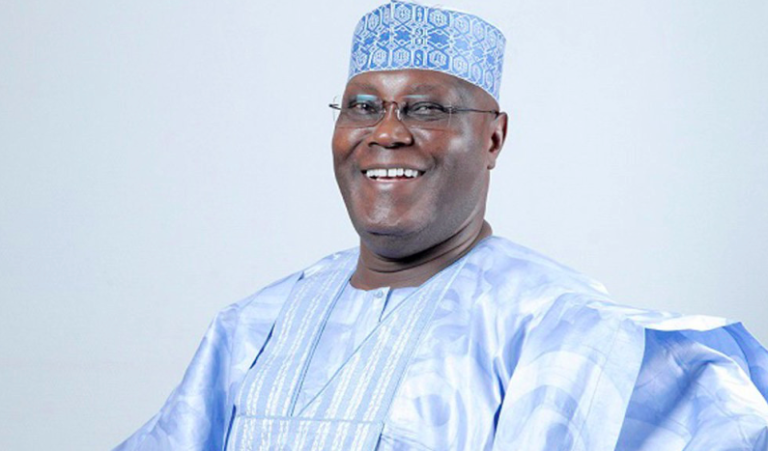
Atiku Abubakar, the former Vice President of Nigeria, explained why he could not take decisive action to resolve the crisis within the Peoples Democratic Party (PDP). In an interview with the BBC Hausa Service, he said his limited authority inside the party hampered his efforts.
The PDP has been mired in a crisis since 2022, a situation that worsened during the run‑up to the 2023 presidential election. The party’s decision to zone its presidential ticket to the North, coupled with a National Chairman from the same region, paved the way for Abubakar’s emergence as the PDP’s presidential candidate. However, many party chieftains were dissatisfied, arguing that the ticket should have been zoned to a different region.
Abubakar attributed his inability to make firm decisions to his lack of control over key party positions. He said that if he had been National Chairman or National Secretary, or if someone who listened to him held those posts, he could have taken the necessary steps to end the crisis. Instead, the individuals occupying those roles pursued personal interests that diverged from his.
The persistent crisis eventually prompted Abubakar and other members to defect to the African Democratic Congress (ADC), an opposition coalition. He also accused the ruling All Progressives Congress (APC) of sponsoring individuals to undermine the PDP.
Abubakar’s remarks shed light on the internal conflicts that have plagued the PDP, highlighting the challenges the party faces in resolving its ongoing turmoil. The crisis has significant implications for Nigeria’s political landscape, especially ahead of future elections. As one of the country’s major parties, the PDP’s ability to settle its internal divisions will be crucial for its effectiveness as an opposition force. Abubakar’s comments underscore the need for the party to unite and present a cohesive front to challenge the ruling APC effectively.

Comments are closed for this story.