
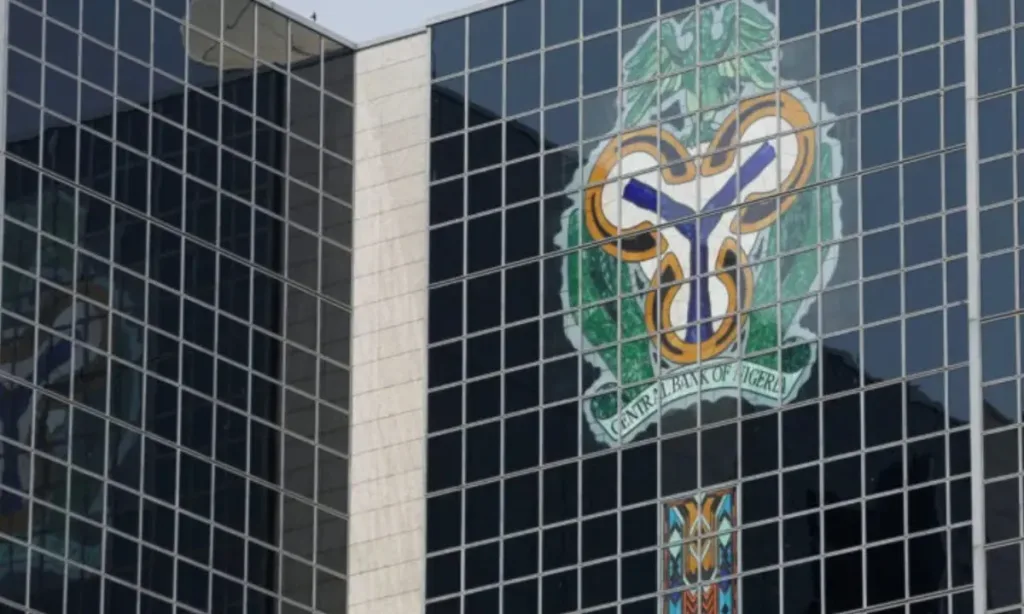
The Central Bank of Nigeria (CBN) has reaffirmed its commitment to achieving price and monetary stability in the country. According to Governor Olayemi Cardoso, the bank’s monetary policies are beginning to yield positive results, as shown by a steady decline in inflation and current stability in the foreign‑exchange market.
Nigeria has grappled with inflation and monetary instability for over a decade, causing significant hardship for its citizens. Recent CBN initiatives—such as the exchange‑rate unification policy—have reduced volatility in the foreign‑exchange market and cleared more than $7 billion in verified backlog of FOREX forwards. The BMatch system for forex trading has also strengthened market integrity and facilitated better price discovery.
Other measures aimed at promoting economic growth and stability include the bank recapitalisation programme, which will enhance the resilience and global competitiveness of the banking sector. The introduction of non‑resident Bank Verification Numbers (BVNs) will connect Nigerians abroad with home banking facilities, while the Nigeria Payments System Vision 2028 (PSV 2028) is expected to accelerate digital transformation, broaden financial inclusion, and minimise downtime for faster, safer transactions. Additionally, the CBN has imposed a 75 % cash reserve requirement (CRR) on non‑Treasury Single Account (TSA) public‑sector deposits to improve liquidity management and mitigate potential inflationary pressures.
During a recent fair in Uyo, the CBN governor urged the public to respect and keep the Naira clean, emphasizing its importance as a national symbol. The fair, organised by the CBN, aimed to sensitize the public about the bank’s policies and initiatives and to gather feedback for improving service delivery and policy implementation. Branch Controller Njideka Nwabukwu pledged the Uyo branch’s commitment to upholding the CBN’s mandate while supporting the economic aspirations of Akwa Ibom State through effective stakeholder engagement, financial‑literacy campaigns, and seamless service delivery.
Through its strategic policies and regulatory frameworks, the CBN continues to enhance payment systems, promote financial inclusion, and support sustainable economic growth. As these initiatives progress, Nigeria is likely to experience significant improvements in economic stability and growth, ultimately benefiting its citizens and contributing to the country’s development.



Comments are closed for this story.