
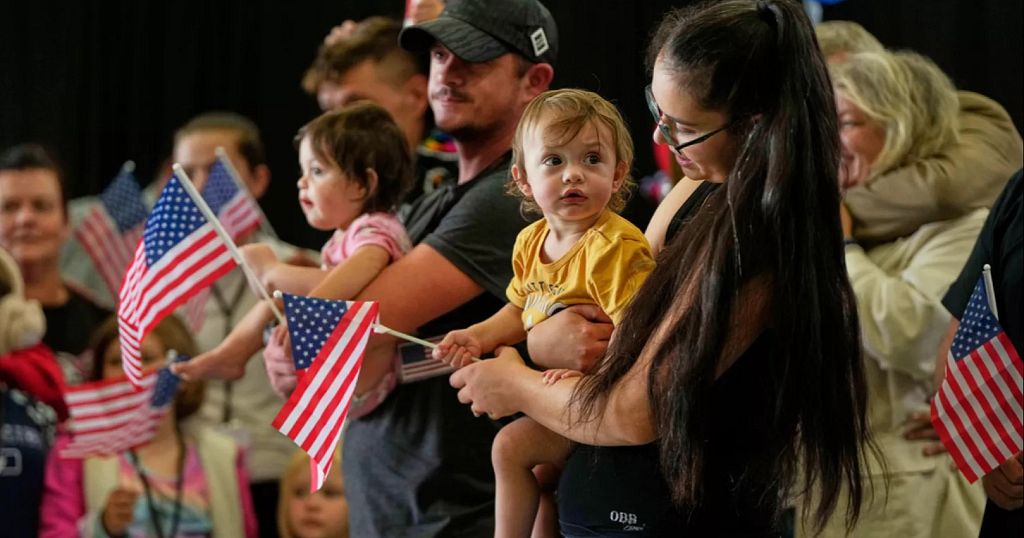
The Trump administration is considering a drastic reduction in the number of refugees admitted to the United States, proposing a cap of 7,500 that would primarily target white South Africans. This would represent a significant departure from traditional U.S. refugee policy, which has historically welcomed individuals from diverse backgrounds. The proposed cap is far lower than the 125,000 refugee admissions target set by the Biden administration last year. Officials familiar with the situation say the new figures have not been finalized or officially transmitted to Congress, as required by the September 30 deadline.
The administration’s consideration of a reduced cap has raised concerns among advocates, who warn that it would disproportionately favor one group over others and could leave thousands of already vetted refugees in limbo. The U.S. refugee program, suspended by President Trump in January, has admitted only a limited number of refugees since then—mostly through ongoing court cases or a new program for Afrikaners announced in February. The administration claims that white South African farmers face discrimination and violence in their home country, an assertion denied by the South African government.
Mark Hetfield, president of HIAS, a Jewish refugee‑resettlement agency, notes that approximately 128,000 refugees have been approved for resettlement in the United States and are currently waiting for admission. An additional 14,000 Jews, Christians, and other religious minorities in Iran have been registered with the refugee program. Hetfield questions how the president can reconcile his stated support for religious and American values with the decision to turn his back on these refugees.
The expected admissions cap of 7,500 is lower than what refugee advocates had feared; some organizations initially anticipated a cap of around 30,000. Lawmakers have criticized the administration’s move, with ranking Democrats on the House and Senate Judiciary committees accusing it of being “in open defiance of the law.” As the government shutdown continues, the fate of thousands of refugees remains uncertain. The consequences could be dire, leaving many individuals facing persecution abroad to languish in refugee camps. The situation underscores the need for a comprehensive, inclusive refugee policy that prioritizes the protection of vulnerable individuals, regardless of their background or nationality.
Comments are closed for this story.