
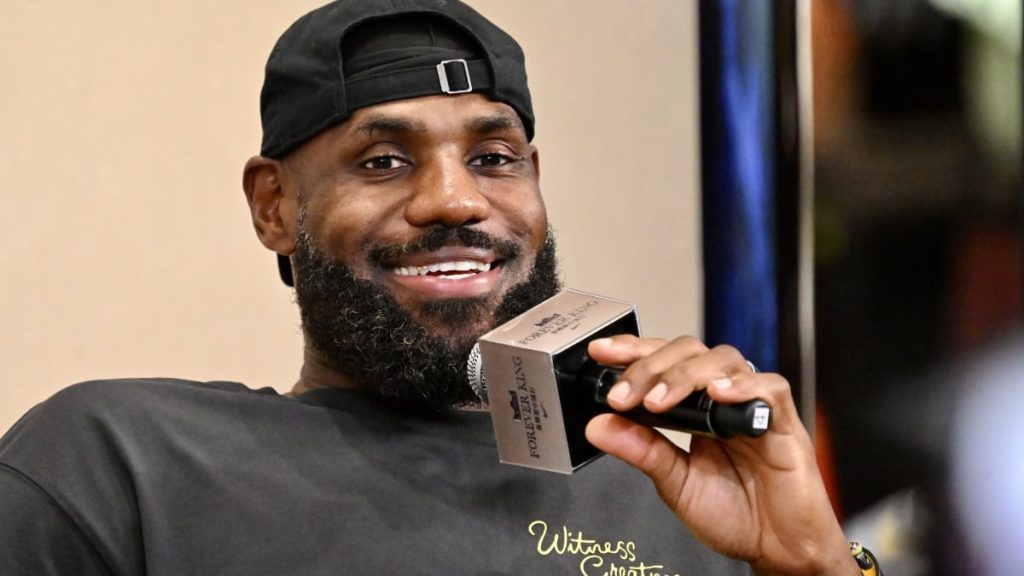
A recent advertising campaign featuring NBA star LeBron James has sparked discussion about the increasing use of nostalgia in marketing. James’s highly anticipated “second decision” announcement turned out to be an advertisement for Hennessy cognac, illustrating how cultural artifacts and iconic moments are being leveraged to sell products. Although nostalgia in advertising is not a new trend, its prevalence has grown markedly in recent years.
Other notable examples include Billy Crystal and Meg Ryan reuniting to promote Hellmann’s mayonnaise and Dolly Parton rewriting her song “9 to 5” for Squarespace. These campaigns often generate significant attention and engagement on social media; James’s teaser alone garnered 1.4 million likes and over 52 000 comments on Instagram.
The tactic extends beyond celebrity endorsements. Companies are employing social‑media stunts, such as “killing off” mascots, to create buzz and connect with diverse audiences. Duolingo “killed” its creepy little bird, while Planters did the same with Mr. Peanut, later resurrecting him as Baby Nut. Although such strategies successfully capture attention, they raise questions about the authenticity and sincerity of advertising.
As social media continues to shape consumer behavior, more campaigns are likely to rely on nostalgic references and cultural touchstones to produce memorable, shareable content. While these approaches can be effective, they also underscore the need for authenticity and transparency in marketing. In LeBron James’s case, the “second decision” reveal generated substantial attention but also elicited relief and disappointment from fans who had expected a more substantive announcement. The campaign highlights both the risks and rewards of using nostalgia in advertising and reinforces the importance of genuine, sincere messaging.


Comments are closed for this story.