
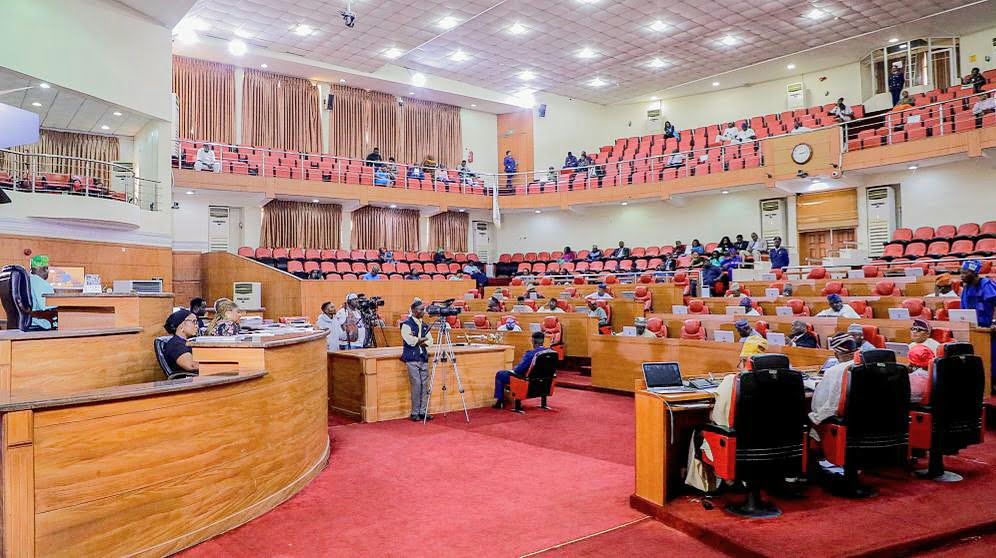
The Lagos State House of Assembly has begun work on a bill to establish a state‑owned railway corporation, aiming to create a comprehensive legal framework for its management and operation. The proposed law, titled “A Bill for a Law to Establish the Lagos State Railway Corporation and for Connected Matters, 2025,” seeks to provide a structured foundation for an efficient rail transport system in the state.
During a public hearing on the bill, the Speaker of the House, Rt. Hon. Mudashiru Obasa, represented by Deputy Speaker Hon. Mojisola Meranda, emphasized the government’s commitment to modernising transportation infrastructure and improving residents’ quality of life. The establishment of the corporation is expected to enhance mobility, reduce road congestion and shorten travel times across Lagos.
Railway transportation is regarded as a critical component of modern infrastructure, ensuring safe, cost‑effective and environmentally friendly movement of people and goods while driving trade, commerce and economic growth. The legislation includes provisions for appointing an Inspector of Railways, who will conduct regular inspections of trains and tracks, provide professional guidance and ensure the safety and operational integrity of rail services.
Chairman of the House Committee on Transportation, Hon. Temitope Adedeji, noted that the proposed corporation would play a vital role in easing the movement of people and goods within the state. Given Lagos’s rapidly growing population and the increasing demand for a modern, reliable transport system, the bill is seen as timely and necessary. Establishing a robust legal and institutional framework is crucial to regulating and operating railway services efficiently, especially at this pivotal point in the state’s infrastructural and economic development.
The creation of a state‑owned railway corporation is expected to have a significant impact on Lagos’s transportation system, improving the overall quality of life for residents. As the bill progresses through the legislative process, it will undergo further scrutiny and debate. The outcome will be critical in determining the future of railway transportation in Lagos State and its potential to drive economic growth and development.




Comments are closed for this story.