
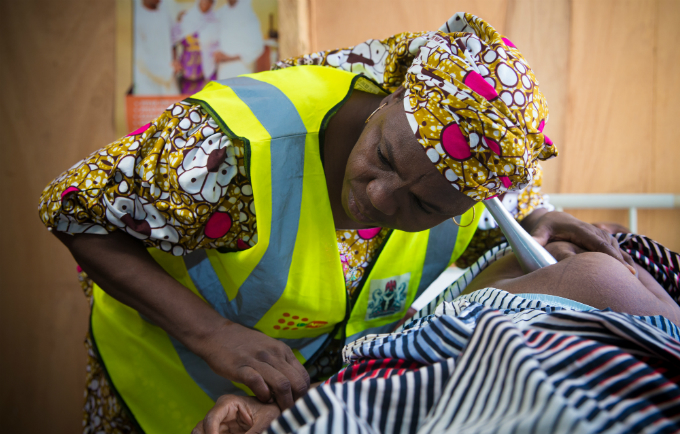
Nigeria’s Total Fertility Rate (TFR) has fallen markedly, dropping from 5.3 children per woman in 2018 to 4.8 in 2024, according to the 2024 Nigeria Demographic and Health Survey (NDHS) report. This decline represents a major demographic shift over the past five years. The Minister of State for Health and Social Welfare, Dr. Iziaq Salako, presented the findings at the report’s launch in Abuja. The reduction in TFR reflects gradual improvements in access to and use of family‑planning services nationwide. Modern contraceptive use among currently married women rose modestly to 15 % in 2023 from 12 % in 2018, while satisfied demand for family planning increased to 37 %. Although encouraging, these figures remain below the levels needed to drive rapid social and economic progress.
Key health indicators have also improved. Antenatal care coverage now stands at 63 %, and skilled birth attendance is at 46 %. Post‑natal coverage within two days of delivery rose from 38 % in 2018 to 42 % in 2024. The under‑five mortality rate declined sharply, from 132 deaths per 1,000 live births in 2018 to 110 per 1,000 in 2024. In contrast, neonatal mortality has remained almost unchanged, moving from 39 to 41 per 1,000 live births over the same period. The Minister stressed the need for intensified efforts to reduce neonatal deaths, which account for about 40‑45 % of under‑five mortality.
To tackle these challenges, the ministry has launched policy reforms, including the Maternal and Maternal Fatality Reduction Initiative and the Nigerian Child Survivor Act (2023–2025). These initiatives aim to deliver targeted interventions through greater health investment, improved coordination, and stronger community involvement.
The 2024 NDHS report is a vital tool for understanding population trends, child and maternal health, nutrition, malaria, HIV, and other development indicators. Conducted by the National Population Commission with support from development partners, the survey offers fresh insights into Nigeria’s demographic landscape. The World Bank has indicated its intention to use the data for analytical work and policy modelling in health, education, and nutrition. The success of the 2024 NDHS underscores the importance of institutional collaboration and data‑driven governance. As Nigeria continues to navigate its demographic and health challenges, the report’s findings will shape policy responses, guide interventions, and help sub‑national governments pinpoint areas needing urgent attention, ultimately contributing to measurable improvements in the country’s health system.



Comments are closed for this story.