
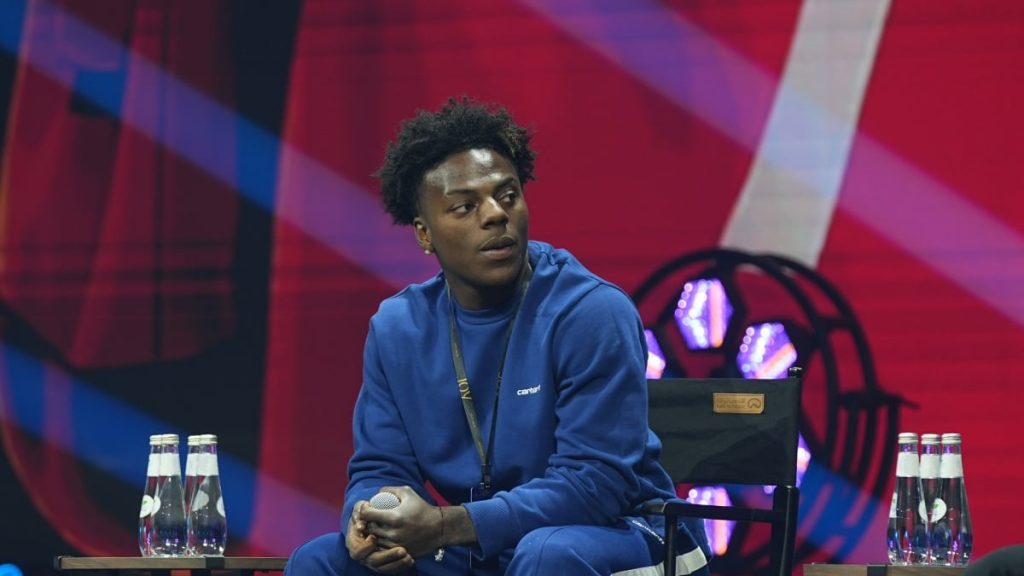
IShowSpeed, a popular YouTube streamer with over 45 million followers, has voiced his discomfort with AI deepfakes. During a recent livestream, he watched several videos that featured deepfakes of himself, including one in which he appears to come out as gay and another where he is kissing a fan. He told viewers that he is not a fan of the technology and that the deepfakes looked too realistic. The videos were created using OpenAI’s Sora 2, a platform that allows users to generate videos using celebrity likenesses—but only with the celebrities’ consent. Although IShowSpeed had apparently given permission for his likeness to be used, he later admitted that it was not the right decision.
IShowSpeed is not the only public figure pushing back against AI deepfakes. Zelda Williams, daughter of the late Robin Williams, has urged fans to stop sending her AI videos of her father. Steve Harvey and Scarlett Johansson have also supported legislation aimed at banning deepfakes. Resistance is growing within influencer culture as well: creator Zay Dante has said he is not interested in AI, and a survey of U.S. consumers found that more than 50 % of Gen Z and younger generations already dislike engaging with AI‑generated influencers.
The use of AI deepfakes raises concerns about consent, privacy, and the potential for misuse. As the technology continues to evolve, more public figures and influencers are likely to speak out against its use. This pushback highlights the need for clearer regulations and guidelines, especially regarding the use of celebrity likenesses without consent. The backlash underscores the tension between the potential benefits of AI deepfakes and the necessity of protecting individuals’ rights and privacy. As AI deepfakes become more widespread, it is essential to consider their consequences and ensure the technology is used responsibly.

Comments are closed for this story.