
Russia announced on Wednesday that it has successfully tested a nuclear‑capable, nuclear‑powered underwater drone called Poseidon. Analysts believe the drone could generate massive radioactive ocean swells, posing a severe threat to coastal regions. Military experts view the test as a significant escalation in Russia’s capabilities.
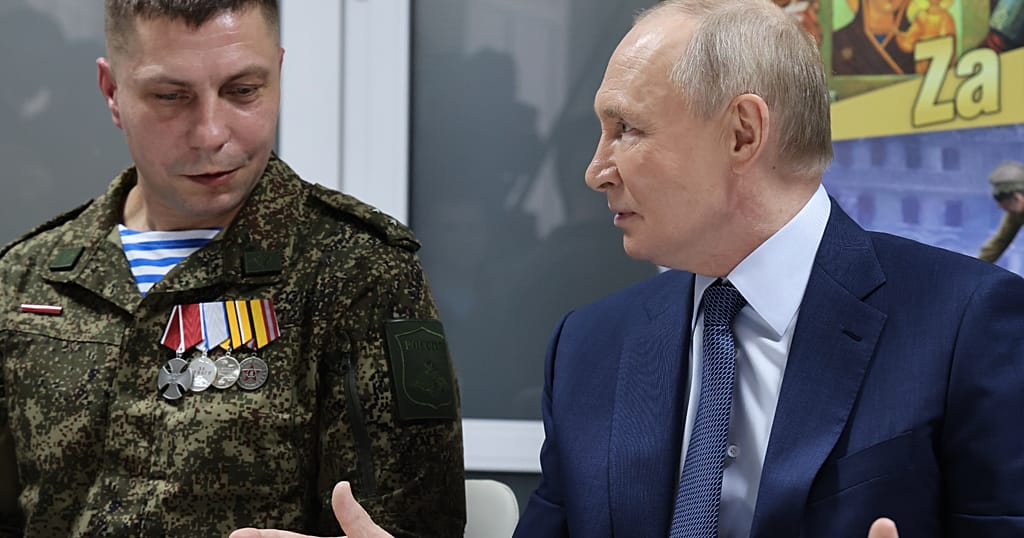
The Poseidon test follows another recent Russian weapons trial. President Vladimir Putin oversaw the launch of the Burevestnik cruise missile on Sunday, claiming it has “unlimited range.” While visiting a military hospital treating soldiers wounded in Ukraine, Putin praised the Poseidon test as a “huge success,” emphasizing the drone’s exceptional speed, depth, and power output, which he said exceeds that of Russia’s most advanced intercontinental missile, the Sarmat. He also asserted that the drone torpedo cannot be intercepted.
These demonstrations are seen as a signal of Russia’s resolve to push back against Western pressure over the ongoing conflict in Ukraine. The United States recently canceled a planned summit with Putin in Budapest, citing the Russian leader’s unwillingness to compromise on ending the war. Analysts interpret the new cruise missile and drone tests as a clear message that Russia will not back down in the face of Western demands.
The development of these advanced weapons has significant implications for global security. The Poseidon drone’s ability to spread radioactive contamination and cause devastating coastal damage raises particular concern. As tensions between Russia and the West continue to rise, the international community is closely monitoring these developments, which are likely to further strain Russia‑U.S. relations and affect global stability.

Comments are closed for this story.