
Nigerian health experts have issued a stark warning that millions of Nigerians—especially children and pregnant women—remain at risk of lead poisoning despite ongoing efforts to eliminate exposure to the toxic metal. The alert was delivered during the 13th International Lead Poisoning Prevention Week, held at the Federal Ministry of Environment in Abuja. The event gathered representatives from the World Health Organization, UNICEF and other development partners, all of which reaffirmed their commitment to a lead‑free Nigeria.
Minister of Environment Balarabe Abbas Lawal emphasized that even minimal exposure to lead can cause lasting harm, particularly in children. To address this, the government aims to phase out lead‑based paints completely by 2030 through stronger regulation, stricter enforcement and heightened public awareness.
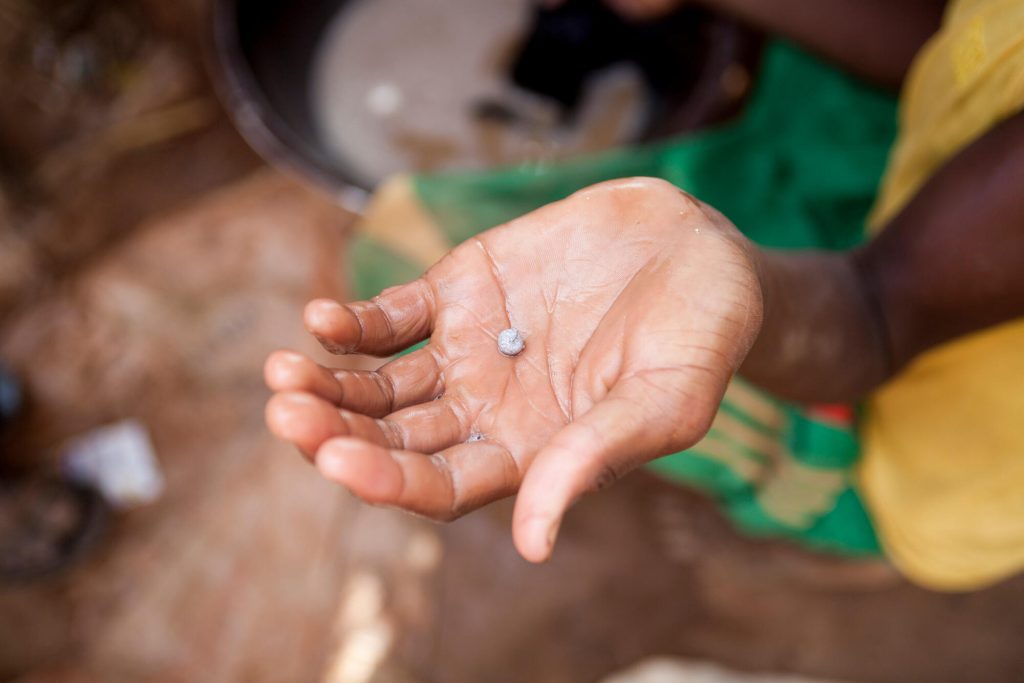
Lead poisoning is a preventable environmental health problem that affects millions worldwide, especially children under five. In children it can cause irreversible neurological damage, learning disabilities and reduced IQ, while adults may suffer hypertension, kidney damage and reproductive problems. In Nigeria, the threat is amplified in rural and mining communities where contaminated soils, unsafe mining and recycling practices, and the continued use of lead‑based paints and cosmetics persist.
Bahijjahtu Hadiza Abubakar, Director of Pollution Control and Environmental Health, described lead poisoning as a “silent threat” that undermines national productivity and human development. Current data show that one in three children globally has blood lead levels that require urgent action, and many paints on the Nigerian market still contain lead concentrations exceeding safe limits.
Experts are calling for sustained, multi‑sectoral collaboration to tackle the issue. Nanlop Ogbureke, Executive Director of Resolve to Save Lives, praised the Ministry’s leadership and stressed the need for collective action to ensure safer environments and healthier children. Global statistics reveal that over 1.5 million deaths were attributed to lead exposure in 2021, most of them from cardiovascular causes.
Consequently, the Nigerian government is being urged to intensify public‑education campaigns, strengthen enforcement mechanisms and promote cleaner production methods across the paint, battery and mining sectors to mitigate the risks of lead poisoning.


Comments are closed for this story.