
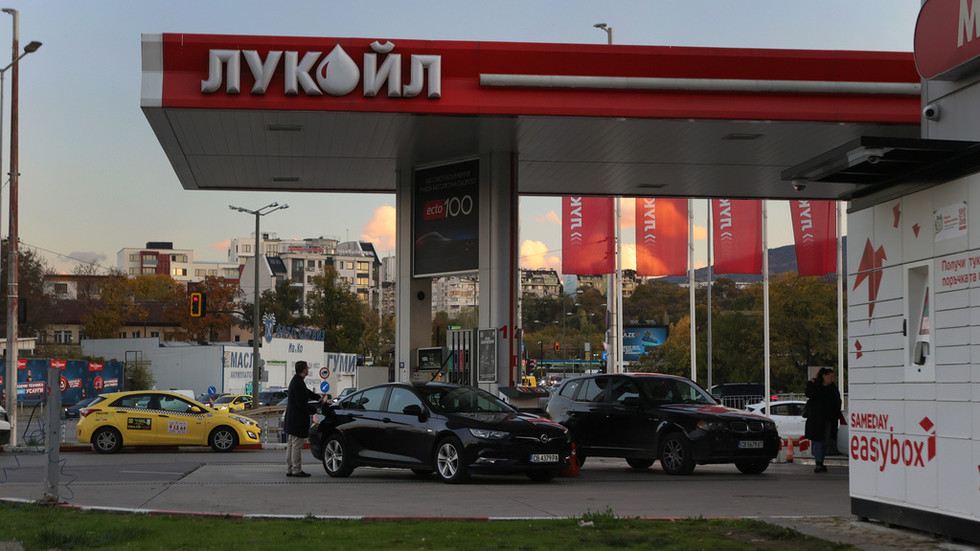
Bulgaria has imposed a temporary ban on exporting certain fuels to other European Union nations because of security and supply concerns that followed recent U.S. sanctions on Russian oil major Lukoil. The company owns Bulgaria’s largest refinery, Neftochim Burgas, and operates more than 200 gas stations in the country. The U.S. sanctions, announced last week, allege that Moscow has not committed to the Ukraine peace process. Russia says it is open to talks but wants a comprehensive deal that addresses the root causes of the conflict.
In response, Bulgaria’s parliament approved the ban on exporting diesel and jet fuel to other EU countries, with 135 votes in favour, four against and 42 abstentions. Lawmakers argued that the measure was needed to protect domestic supplies, curb speculation and prevent shortages linked to the sanctions. The ban does not apply to gasoline, because national output exceeds domestic demand, nor does it affect the refuelling of aircraft, ships and military deliveries for EU and NATO forces. The customs agency will enforce the restrictions but may allow limited exports in special cases.
Some legislators criticised the decision as a panic reaction, while others called for consultation with Brussels to avoid any counter‑measures that could affect Bulgaria’s fuel imports from the wider EU. The duration of the ban remains unclear; it will take effect upon publication in the State Gazette.
Earlier this week, Lukoil announced that it had accepted an offer from global commodity trader Gunvor to sell its subsidiary Lukoil International GmbH, which manages all of its foreign assets. The sale is part of Lukoil’s effort to shield its operations from further restrictions.
Russia has condemned the Western sanctions, describing them as politically motivated, illegal and likely to backfire. The Kremlin maintains that energy sanctions violate free‑trade principles and could destabilise global energy markets, driving fuel prices higher. The episode underscores the ongoing tensions between Russia and the West and its potential impact on global energy supplies and markets.



Comments are closed for this story.