
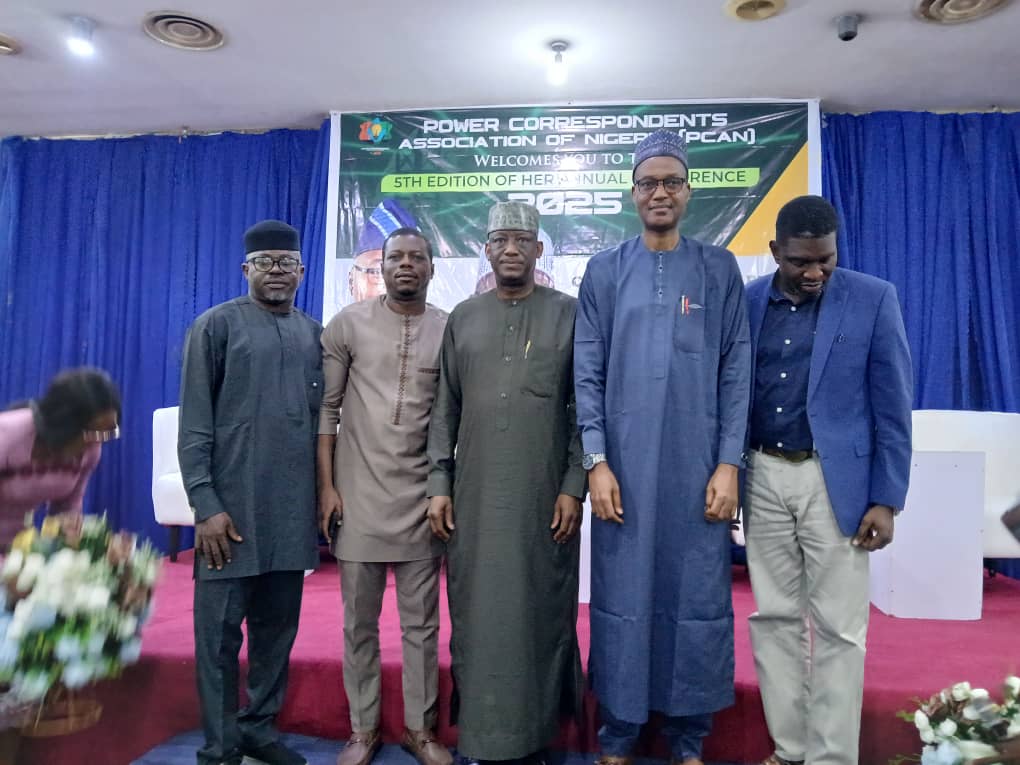
The Nigerian Independent System Operator (NISO) has urged a balanced approach to electricity tariffs to avoid deepening energy poverty. At the 5th Annual Conference of the Power Correspondents Association of Nigeria (PCAN) in Abuja, NISO Managing Director and CEO Engr. Abdu Bello Mohammed emphasized that tariff discussions lie at the heart of Nigeria’s electricity challenges. He argued that tariffs must reflect the cost of supply to sustain investment and ensure reliable service, yet millions of Nigerians cannot afford stable energy because of rising inflation, unemployment and declining purchasing power.
Mohammed contended that the real question is not whether cost‑reflective tariffs are needed, but how to implement them while preserving affordability and protecting the most vulnerable. He warned that existing electricity subsidies have generated substantial debt, weakened infrastructure investment and produced an unreliable power supply, further eroding consumers’ willingness to pay. To address this, he advocated for gradual tariff adjustments linked to visible service improvements rather than abrupt hikes, noting that consumers are more likely to pay when reliability and fairness are demonstrated.
As states move to establish sub‑national electricity markets under the new Electricity Act, Mohammed stressed the importance of integrating decentralized and embedded generation systems with the national grid. He called for broader policy alignment—including reforms in gas pricing, demand‑side energy efficiency, and continuous stakeholder engagement—to ensure public understanding of tariff changes.
PCAN Chairman Obas Esiedesa highlighted the urgent need to reconcile the power sector’s financial realities with Nigerians’ economic conditions. Despite more than a decade of privatization, the industry remains burdened by heavy financial obligations, including an estimated N6 trillion owed by the Federal Government to power generation companies. Esiedesa pointed out that about 85 million Nigerians—roughly 43 percent of the population—still lack access to grid electricity, making Nigeria the country with the world’s largest electricity access deficit.
The power sector stands at a crossroads between cost recovery and social justice, between reform and regression. Achieving a fair, transparent and socially responsible pricing framework that balances economic sustainability with public welfare is crucial. The Nigerian government and all stakeholders must collaborate to address the sector’s challenges and ensure electricity remains affordable and accessible to all Nigerians.



Comments are closed for this story.