
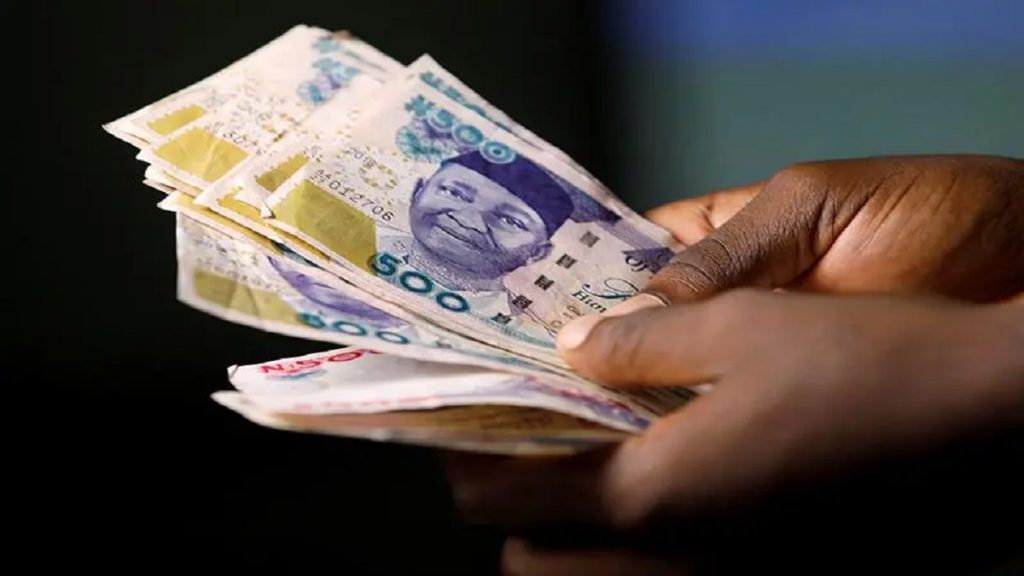
The Nigerian naira continued its downward trend against the United States dollar, recording a second consecutive decline on Tuesday. Data from the Central Bank of Nigeria show the naira weakened to N1,438.71 per dollar, down from N1,437.2933 on Monday—a drop of N1.42. This marks the second straight day the currency has lost value against the dollar since the start of the week.
In contrast, the black‑market exchange rate remained unchanged at N1,465 per dollar, the same level as the previous day. Despite the naira’s depreciation, Nigeria’s external reserves have risen, reaching $43.37 billion as of November 10, up from $43.35 billion on November 7. The increase in reserves provides a buffer against external shocks and supports naira stability.
The naira’s decline is significant because it can affect import costs and inflation. Nigeria relies heavily on imports, and a weaker naira makes these goods more expensive, potentially leading to higher consumer prices. The foreign‑exchange market is a critical component of the economy, and the naira’s performance against the dollar is closely watched by investors, businesses, and individuals.
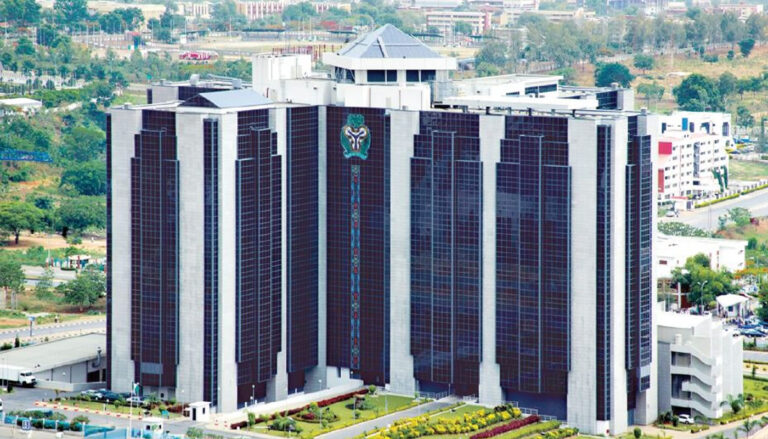
The Central Bank of Nigeria has been working to stabilize the currency and improve the country’s economic outlook. As the naira continues to fluctuate, monitoring developments in the foreign‑exchange market and their impact on the Nigerian economy remains essential. Economic stability and growth are closely tied to the performance of the naira, and any significant changes can have far‑reaching consequences.



Comments are closed for this story.