
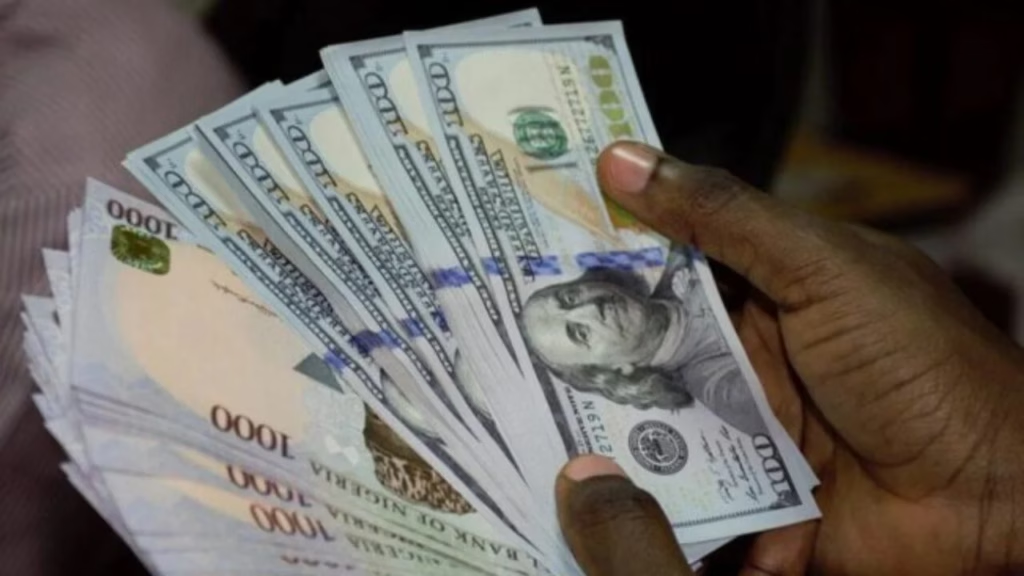
The Nigerian naira recorded its steepest daily decline against the United States dollar this week, according to data from the Central Bank of Nigeria. On Wednesday the exchange rate fell to 1,443.08 per dollar, down from 1,438.71 the day before, a loss of 4.37 naira. This marks the largest depreciation in the official foreign‑exchange market so far this week, surpassing the 2.1‑naira drops observed on Monday and Tuesday.
In the parallel black market, the naira held steady at 1,465 per dollar, unchanged from the previous day. Despite a rise in the country’s foreign reserves to $43.37 billion as of 10 November 2025, the naira’s value has not improved correspondingly.
The weakening naira has potential implications for Nigeria’s economy, particularly regarding import costs and inflation. A depreciating currency raises the price of imported goods, which can translate into higher consumer prices. Consequently, investors, businesses, and individuals who depend on foreign exchange closely monitor the naira’s performance.
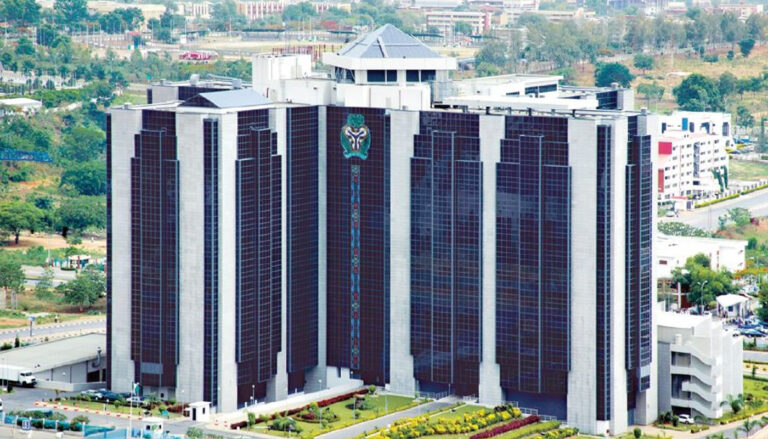
The Central Bank of Nigeria continues efforts to stabilise the currency and bolster the economic outlook. Government and monetary authorities are expected to keep a vigilant watch on the situation and implement policies aimed at supporting the naira and fostering economic growth. As Nigeria’s economy evolves, the naira’s trajectory will remain a key indicator of the country’s progress.



Comments are closed for this story.