
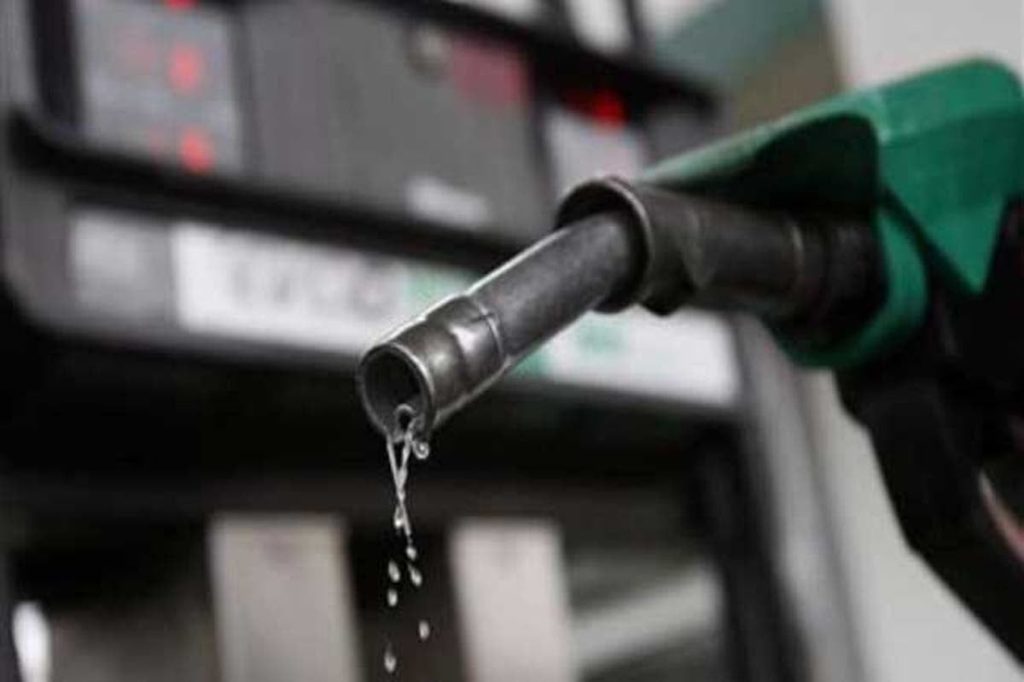
A Nigerian petroleum products marketer has identified three key reasons behind the federal government’s decision to suspend the implementation of a 15 % import duty on petrol and diesel. The move, announced on Thursday, was welcomed by various stakeholders and Nigerians who had expressed concerns about the tariff’s potential impact on fuel prices.
According to the marketer, who wished to remain anonymous, the government’s decision was largely driven by inadequate consultation with stakeholders, including those within the government itself. The marketer also highlighted the political implications of higher petrol prices across the country, noting that the government likely wanted to avoid any measures that could be perceived as increasing the burden on citizens, especially with upcoming elections.
The federal government had initially proposed the 15 % import duty as part of its efforts to generate revenue and encourage local refining of petroleum products. However, the proposal elicited mixed reactions: some economists and stakeholders warned it could raise fuel prices, while others viewed it as a necessary step to protect local refineries.
By suspending the duty, the government aims to ensure an adequate supply of petroleum products nationwide and to keep prices moderated. Officials also indicated that the suspension should prevent any single entity from monopolising supply, thereby promoting competition and market stability.
The decision carries significant implications for Nigeria’s energy sector and overall economy. As the country continues to grapple with the challenges of refining its own petroleum products, the government must balance revenue‑generation goals with the need to keep fuel affordable for citizens. The suspension is a temporary measure, and it remains to be seen how the government will address the underlying issues in the long term.



Comments are closed for this story.