
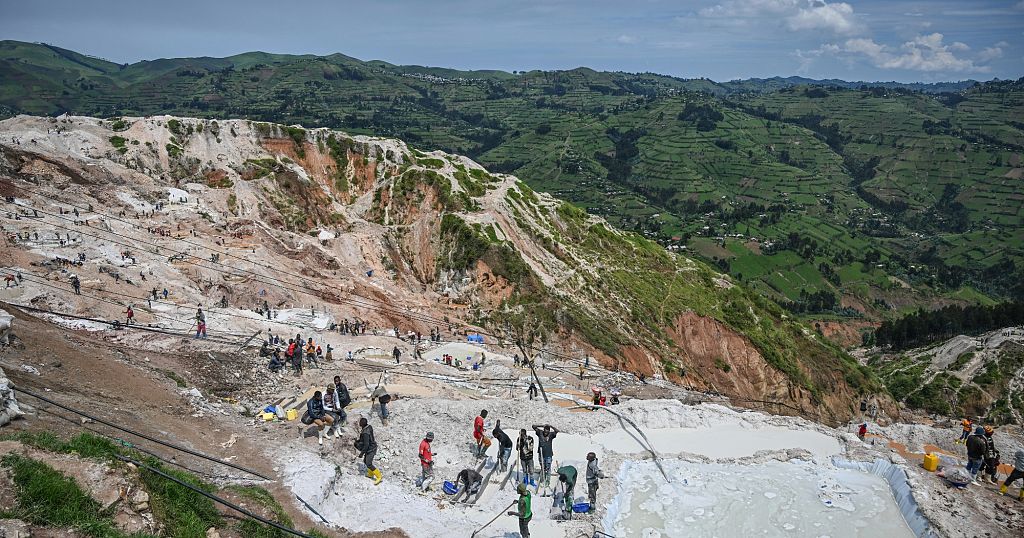
A bridge collapse at a copper and cobalt mine in southeastern Congo has claimed at least 32 lives, according to a regional government official. The disaster occurred on Saturday at the Kalando mine in Mulondo, Lualaba province, when a bridge gave way under the weight of an overcrowded crowd.
Roy Kaumba Mayonde, the province’s interior minister, confirmed the incident at a press conference. He said that, despite a strict prohibition on accessing the site because of heavy rainfall and the risk of landslides, illegal diggers forced their way into the quarry. A report by the Congo’s Artisanal and Small‑Scale Mining Support and Guidance Service (SAEMAPE) noted that the presence of soldiers at the site sparked panic among the miners, who rushed onto the bridge, causing it to collapse. While SAEMAPE initially reported at least 40 deaths, Mayonde put the confirmed death toll at a minimum of 32.
The tragedy highlights the ongoing dispute between wildcat miners—who operate without official permission—and the legal operators of the mine, a cooperative intended to organize mining activities. Congo is the world’s largest producer of cobalt, a mineral essential for lithium‑ion batteries used in electric vehicles and other products. Chinese companies control roughly 80 % of the country’s cobalt output.
The cobalt mining sector in Congo has long been plagued by accusations of child labor, unsafe conditions, and corruption. The mineral‑rich eastern region has also suffered decades of violence involving government forces and armed groups, including the Rwanda‑backed M23, whose recent resurgence has intensified the conflict and deepened the humanitarian crisis.
The bridge collapse serves as a stark reminder of the risks faced by miners in the region and has raised concerns about the safety and regulation of artisanal and small‑scale mining in Congo. As the country remains a key player in the global cobalt market, addressing these safety issues and protecting miners’ well‑being will be crucial. The government and relevant authorities are likely to face increased scrutiny and pressure to implement measures that prevent similar tragedies in the future.



Comments are closed for this story.