
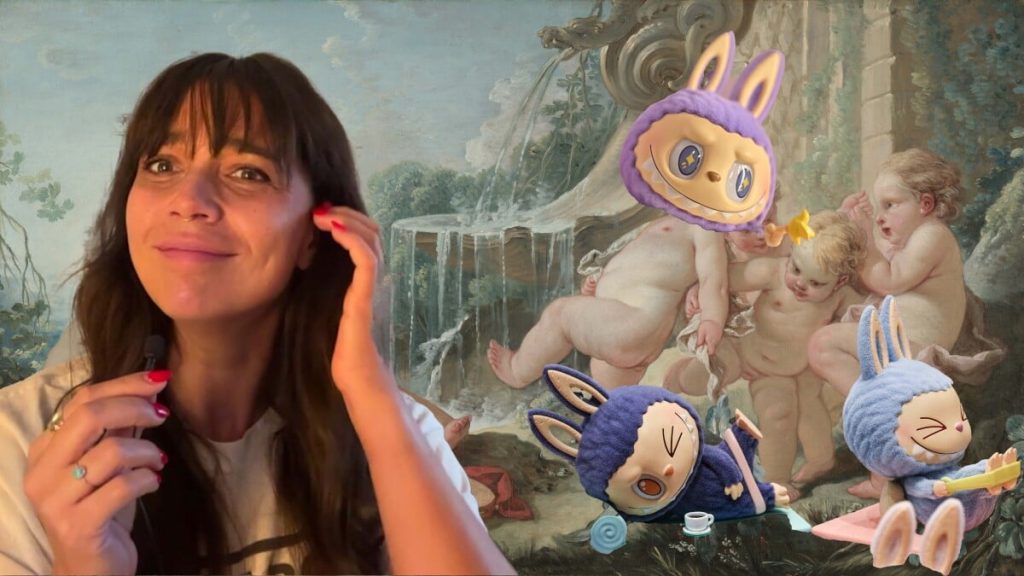
The Rococo art style originated in 18th‑century France and is defined by its ornate, playful, and lighthearted qualities. As a late Baroque movement, it favors pastel colors, asymmetry, intricate curves, and motifs of shells or flowers. Notable Rococo architecture includes the Catherine Palace in Russia.
In recent years the style has experienced a resurgence, influencing contemporary accessories such as the Labubu. These items are characterized by whimsical pastel colorways and elaborate designs. Unlike the grandeur of Baroque, Rococo emphasizes intimate, decorative elements without appearing fragile.
The revival of Rococo is evident across modern design, from fashion and home décor to electronic devices and appliances. This aesthetic’s sense of playfulness and lightness may reflect a response to today’s cultural climate, where consumers increasingly seek unique, Instagrammable pieces. The popularity of pastel‑colored accessories and decorative objects demonstrates the enduring appeal of Rococo.
The Rococo revival carries significant implications for the design industry. It underscores the importance of creativity and self‑expression, urging designers to balance functionality with aesthetics to create products that are both useful and beautiful. By embracing Rococo’s playful and ornate elements, designers can produce visually striking, meaningful items. As the industry evolves, the influence of Rococo on future trends and consumer preferences will be an intriguing development.




Comments are closed for this story.