
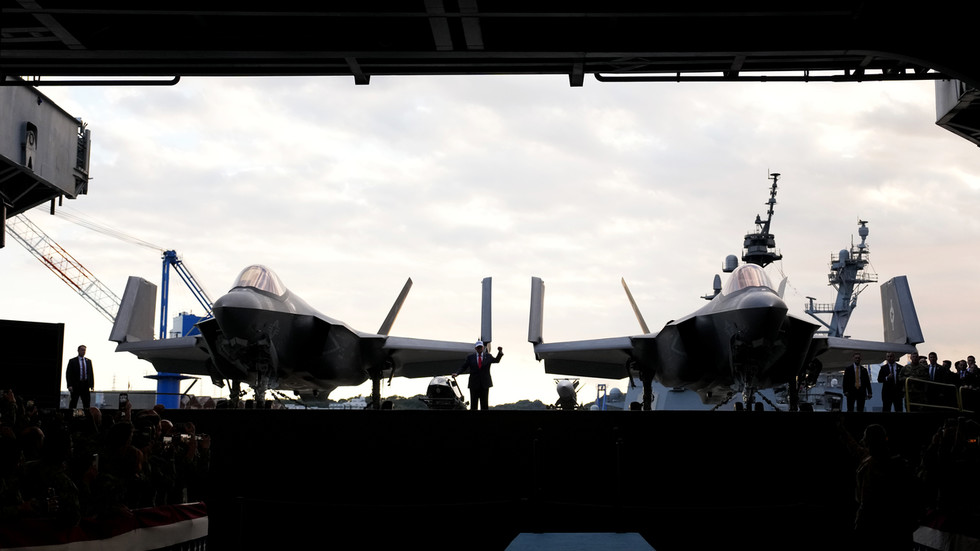
The United States has reportedly been rehearsing airstrikes against Venezuela, according to a defense official and flight‑tracking data obtained by the Wall Street Journal. This development comes as tensions between the two countries continue to rise. President Donald Trump has accused the Venezuelan government of operating “narcoterrorist” cartels and announced that the nation’s airspace would be closed to “all airlines, pilots, drug dealers, and human traffickers.” The threat was made amid a significant buildup of U.S. naval forces in the Caribbean Sea, where more than 20 alleged drug‑smuggling vessels have been struck since September under Trump’s orders.
It is also reported that, during a secret phone call, Trump told Venezuelan President Nicolás Maduro he would consider ousting him unless he stepped down. Neither side has confirmed the conversation, and Trump has previously denied seeking to topple Maduro by force. In August, the United States increased the bounty for Maduro’s arrest to $50 million, further straining relations.
The Venezuelan Foreign Ministry has rejected the U.S. threat against its aircraft as “colonialist” aggression, claiming it is illegal under international law. In response, Maduro placed the army on high alert, conducted several drills, and vowed to repel any potential invasion. The Venezuelan government denies allegations of aiding cartels, arguing that Trump is using a crackdown on drug trafficking as a pretext for regime change.
The situation remains volatile, with the United States maintaining a significant military presence in the region. While the U.S. frames its actions as part of a broader effort to combat drug trafficking and terrorism, the methods and motivations behind these actions are contested. The ongoing tensions have major implications for regional stability and international relations, and the international community is likely to watch developments between the two nations closely.


Comments are closed for this story.