
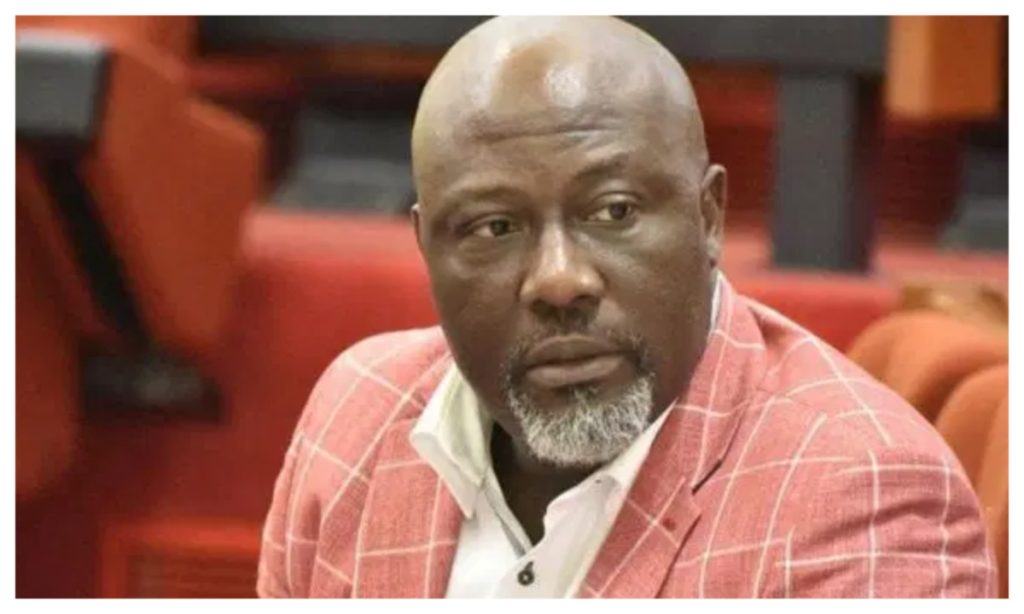
President Bola Tinubu’s recent nomination of former Independent National Electoral Commission (INEC) Chairman Mahmood Yakubu for an ambassadorial post has drawn criticism. The nomination is part of a list of more than 30 ambassadorial candidates that the president has forwarded to the Senate for confirmation.
Critics, including former federal lawmaker Dino Melaye, argue that the move rewards the former INEC boss and places politics above governance. Melaye called the nomination “shameless” and said it reflects the government’s disregard for the nation. Some Nigerians fear the appointment may be seen as compensation for Yakubu’s role in the previous election, although the presidency has not commented on the reasons behind the nomination.
The Senate will review the list of nominees and hold confirmation hearings in the coming weeks. Approval of Yakubu’s nomination remains uncertain, and the process will allow legislators to scrutinize his qualifications and assess his suitability for the diplomatic role. The controversy underscores the ongoing debate about the relationship between the government and the electoral commission, emphasizing that the independence of the electoral body is essential for free and fair elections. Any perceived bias or partisanship could undermine the democratic process.
As the Senate considers the nomination, Nigerians will be watching closely. The outcome will affect the country’s diplomatic corps and shape perceptions of the government’s commitment to good governance.




Comments are closed for this story.