
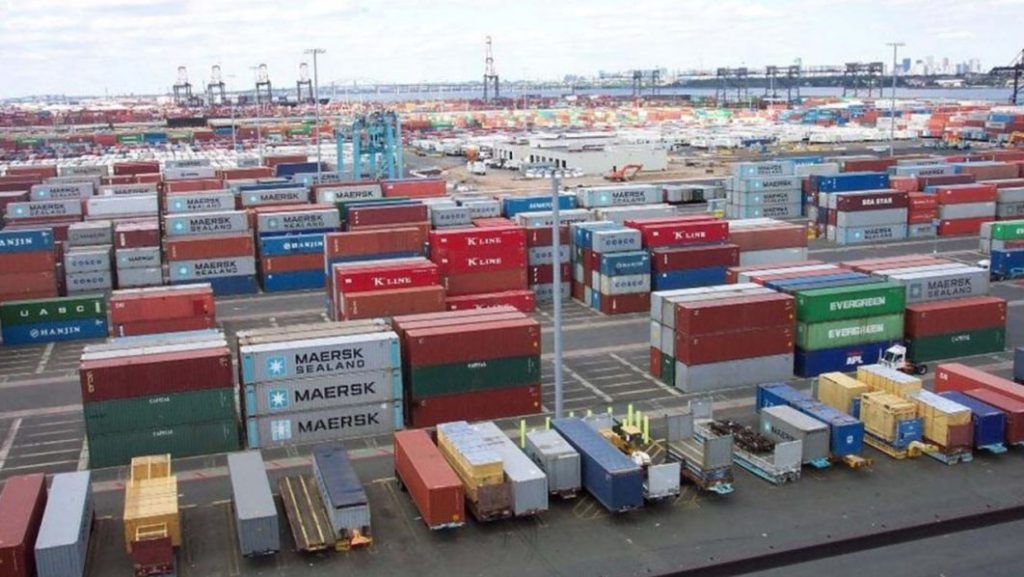
The Shippers Association of Lagos State has raised concerns about operational challenges at Lagos ports, citing multiple levies, illegal checkpoints, and excessive bureaucracy as major barriers to trade. President Nicodemus Odolo warned that these hurdles are discouraging Nigerians from engaging in import and export activities, leading to a decline in the number of active shippers. He noted that compliant traders often face longer delays and additional costs, with some cargo remaining in the port for up to three months due to lengthy clearance processes. The association also condemned the unlawful practice of security operatives intercepting export‑bound containers on highways to question customs duties, an action beyond their statutory powers.
These concerns were voiced during the 2025 Shippers’ Day celebration in Lagos, which featured presentations from key sector regulators, including the Nigeria Customs Service and the Nigerian Shippers’ Council. Dr. Pius Akutah, Executive Secretary of the Nigerian Shippers’ Council, acknowledged the problem of multiple and overlapping taxes imposed across the logistics chain, which can distort market pricing and diminish Nigeria’s competitiveness as a regional trade hub. The council has begun consultations with relevant authorities to ensure that any policy changes are properly evaluated and aligned with national economic priorities.
The Comptroller‑General of Customs, Adewale Adeniyi, highlighted the Federal Government’s unified digital trade platform, the National Single Window, which aims to simplify trade processes and drive economic growth to $1 trillion by the first quarter of 2026. The National Single Window will bring together all trade and regulatory agencies under a centralized digital system, enabling smoother operations and improved revenue performance. It is expected to work collaboratively with other components of Nigeria’s digital trade framework to align processes with global standards, reduce duplication, and eliminate delays.
As the government continues to implement reforms to improve the trade environment, addressing these operational challenges remains critical, and stakeholders will be closely watching the progress of these initiatives.




Comments are closed for this story.