
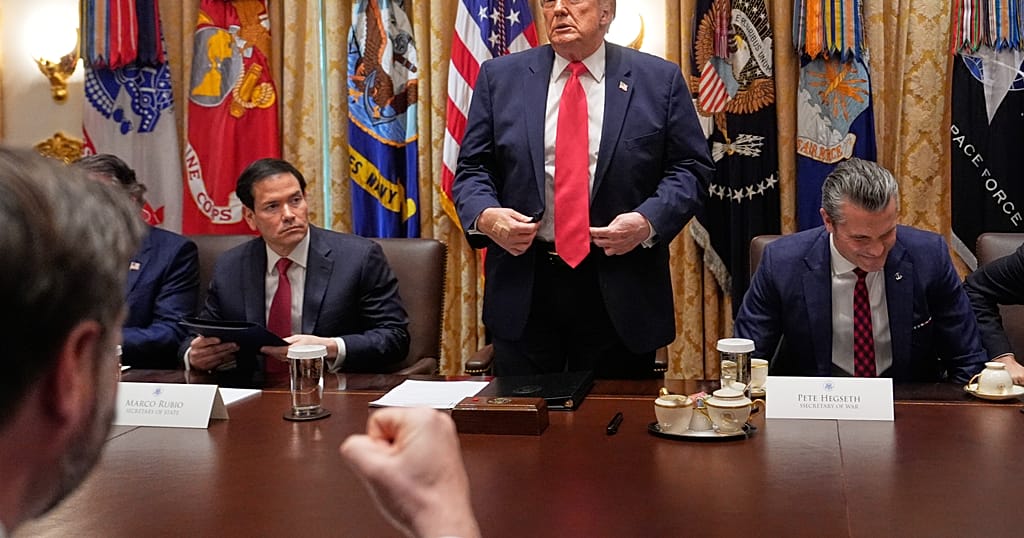
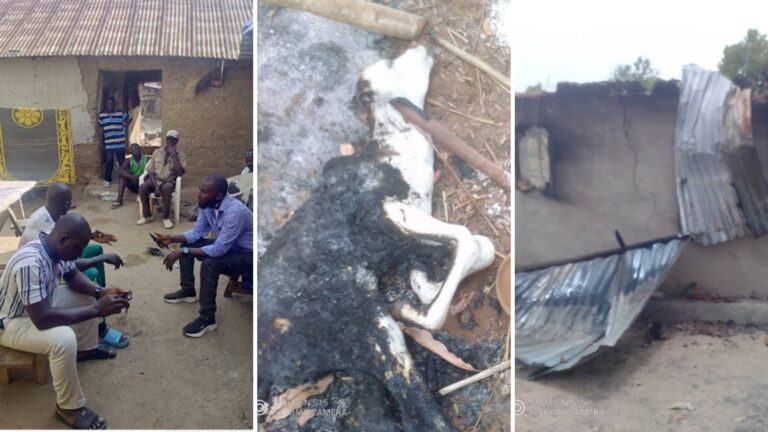
The United States has announced plans to impose visa restrictions on Nigerians alleged to be involved in violence against Christians. Secretary of State Marco Rubio said the U.S. is taking decisive action in response to the “mass killings and violence” targeting Christians in Nigeria. The restrictions will apply to individuals and their families deemed responsible, including “radical Islamic terrorists, Fulani ethnic militias, and other violent actors” in Nigeria and beyond. The policy will also be extended to other governments or individuals found to be violating religious freedom.
The move follows former President Donald Trump’s threat of military action in Nigeria over the persecution of Christians by radical Islamists and his designation of the country as a “Country of Particular Concern.” The Nigerian government, however, disputes these claims, attributing the attacks to criminal motives, land disputes and competition for resources rather than religious animus. Human‑rights experts note that more Muslims have been killed by the Islamist Boko Haram group than Christians.
Nigeria, with a population of roughly 220 million, is about evenly split between Christians and Muslims and comprises over 200 ethnic groups. The country has long faced insecurity from multiple fronts: the Boko Haram insurgency, bandits targeting farmers, clashes between pastoralists and local communities, and a surge in armed gangs in the central region that kidnap civilians for ransom.
The U.S. visa restrictions represent a significant development in this complex situation. While the Nigerian government denies religious persecution, the United States asserts that such persecution is occurring and emphasizes its commitment to protecting religious freedom and holding perpetrators accountable. The international community will likely continue to monitor the impact of the U.S. measures on Nigeria and its diplomatic relations.
Comments are closed for this story.