
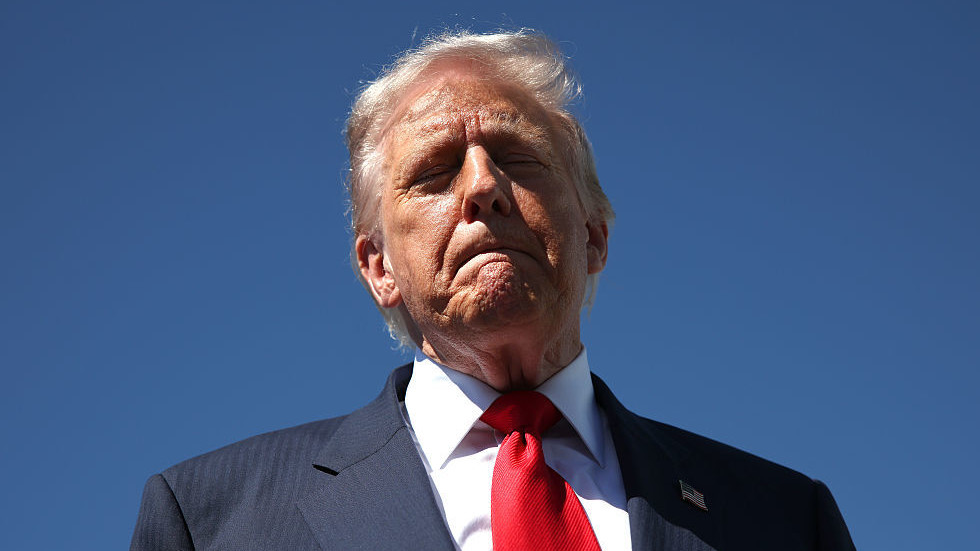
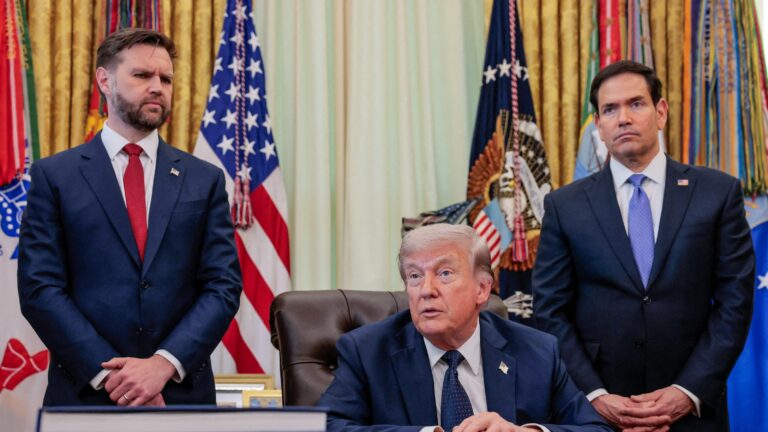
The United States is reportedly pushing for amendments to the International Criminal Court’s (ICC) founding statute to prevent potential prosecution of President Donald Trump and his senior officials. According to sources within the administration, Washington fears the court may target the president and others after he leaves office in 2029. A senior official expressed concerns that the ICC could pursue Trump, Vice President J.D. Vance, and Secretary of War Pete Hegseth, among others, without specifying the potential charges. The administration is seeking explicit language in the Rome Statute stating that the ICC has “no jurisdiction” over these individuals. If the ICC refuses to comply, the United States may impose sanctions on the institution, which could significantly disrupt its operations.
The ICC, established in 2002 under the Rome Statute, has the mandate to prosecute genocide, war crimes, and crimes against humanity. While 125 countries have ratified the treaty, the United States has not, along with other major powers such as Russia, China, India, and Israel. Potential investigations by the ICC could include the U.S. military campaign in the Caribbean and off the Pacific coast of South America, where American forces have conducted deadly strikes on suspected drug‑running vessels, resulting in over 80 fatalities.
The court has previously issued arrest warrants for Israeli Prime Minister Benjamin Netanyahu and former Defense Minister Yoav Gallant over alleged war crimes in Gaza. The ICC recognizes Palestine as a member, granting it jurisdiction over alleged crimes committed in the enclave. The United States has maintained strong support for Israel throughout the conflict and is reportedly pressuring the ICC to drop its investigation into Israeli officials and to close an earlier probe into U.S. forces’ conduct in Afghanistan.
U.S. Secretary of State Marco Rubio has described the ICC as “a national security threat” and “an instrument for lawfare” against the United States and Israel. The United States has previously imposed economic sanctions and visa bans on ICC judges and prosecutors. These developments highlight the complex and often contentious relationship between the United States and the ICC, with significant implications for international justice and global governance.


Comments are closed for this story.