

Medical professionals in Nigeria have emphasized the need for accelerated adoption of artificial intelligence (AI) in the country’s health sector, as well as improved financial planning among practitioners. This call was made during the Seventh Annual General Meeting and Scientific Conference of the University of Ilorin Medical Class of 2009, held virtually and bringing together alumni from around the world. The conference highlighted the importance of innovation and financial literacy in medicine, with speakers stressing that Nigerian clinicians must embrace new technologies and prioritize their financial well‑being.
According to the World Health Organization, AI has the potential to enhance healthcare and address global health challenges, including the achievement of Sustainable Development Goals. Clinical AI specialist Dr. Lawal Lukman noted that Nigeria possesses a vast amount of untapped medical data, representing the largest concentration of Black clinical data globally. However, he pointed out that less than five percent of existing AI models worldwide are trained on such datasets, limiting their accuracy and applicability for diagnosing and managing diseases in African populations. Dr. Lukman urged medical practitioners to prioritize proper documentation of clinical encounters and to ensure that records are structured in line with international research and AI‑readiness standards.
The conference also focused on financial well‑being. Managing Director of Value Alliance Asset Management, Mrs. Yvonne Akintomide, emphasized the importance of long‑term financial planning for doctors. She noted that heavy workloads and the unpredictable nature of medical practice often lead practitioners to neglect critical aspects of financial management, and she encouraged them to be more deliberate about budgeting, risk management, and investment.
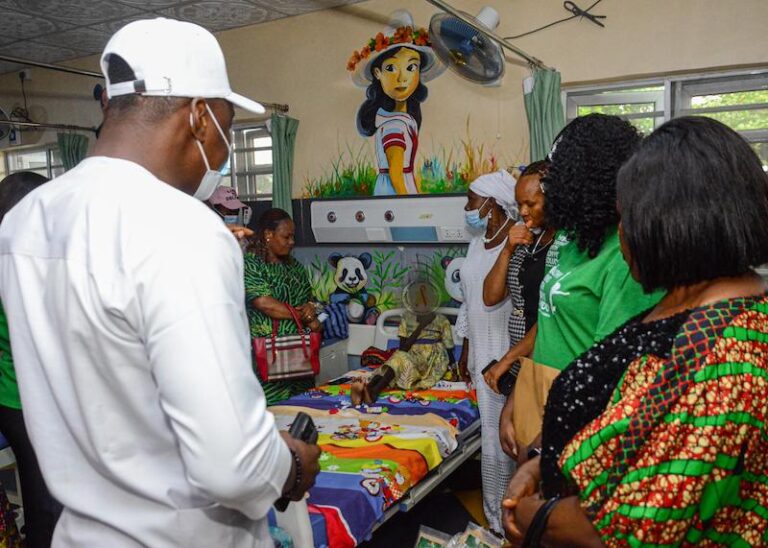
In addition to these themes, the event featured comprehensive reports on the group’s philanthropic initiatives, including a medical outreach at the Children’s Specialist Hospital Centre in Ilorin, Kwara State, where hospitalized children received financial and medical support. The class presented its annual scholarship awards to outstanding medical students at the University of Ilorin and reaffirmed its continued welfare support for the families of departed members.
Organizers urged participants to translate the knowledge gained into meaningful personal and professional actions, applying the shared insights to improve patient care, strengthen health systems, and enhance personal development. The conference reinforced the significance of innovation, financial literacy, and community development in the medical field, highlighting the importance of collaboration and knowledge‑sharing among medical professionals.


Comments are closed for this story.