

Nigeria’s inflation rate fell to 14.45% in November 2025, according to the latest data from the National Bureau of Statistics (NBS). This marks a decline of 1.6 percentage points from the 16.05% recorded in October 2025 and represents the seventh consecutive month of slowing inflation. The drop follows years of surging prices that triggered a cost‑of‑living crisis in the country. Consumer inflation had peaked at nearly 35% in December last year before easing after the bureau revised its base year and adjusted the weight of items in its price basket. Food inflation also eased, standing at 11.08% year‑on‑year in November compared with 13.12% in October.
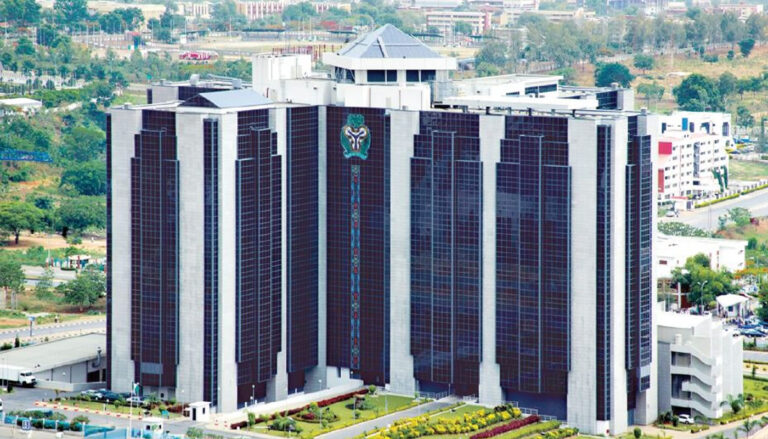
The Central Bank of Nigeria (CBN) has expressed a desire to see inflation fall further, leaving its main interest rate unchanged last month. CBN Governor Olayemi Cardoso noted that inflation remains too high, maintaining the Monetary Policy Rate (MPR) at 27%. “Headline inflation remains high at double digits, requiring sustained efforts towards moderating it further,” Cardoso said. The decision to keep the MPR unchanged was intended to sustain progress toward low and stable inflation.
To encourage banks to lend rather than park funds with the central bank, the CBN is adjusting the corridor on its Standing Facility to +50 to –450 basis points around the MPR and cutting its deposit rate. The bank’s goal is to promote lending, support economic growth, and keep inflation in check.
The decline in inflation is a positive development for Nigeria’s economy, which has been grappling with high prices and a cost‑of‑living crisis. As the country continues to pursue low and stable inflation, the CBN’s monetary‑policy adjustments and efforts to stimulate lending are crucial. With inflation still in double digits, sustained measures are needed to moderate it further and bolster economic growth.


Comments are closed for this story.