
A new book, *From Soldier to Statesman: The Legacy of Muhammadu Buhari*, sheds light on why former Nigerian President Muhammadu Buhari chose not to publicly endorse a successor ahead of the 2023 presidential election. The work offers insight into Buhari’s leadership style and his management of power within the All Progressives Congress (APC). According to the book, his refusal to anoint a preferred candidate was a deliberate strategy to safeguard lives and preserve internal party cohesion.
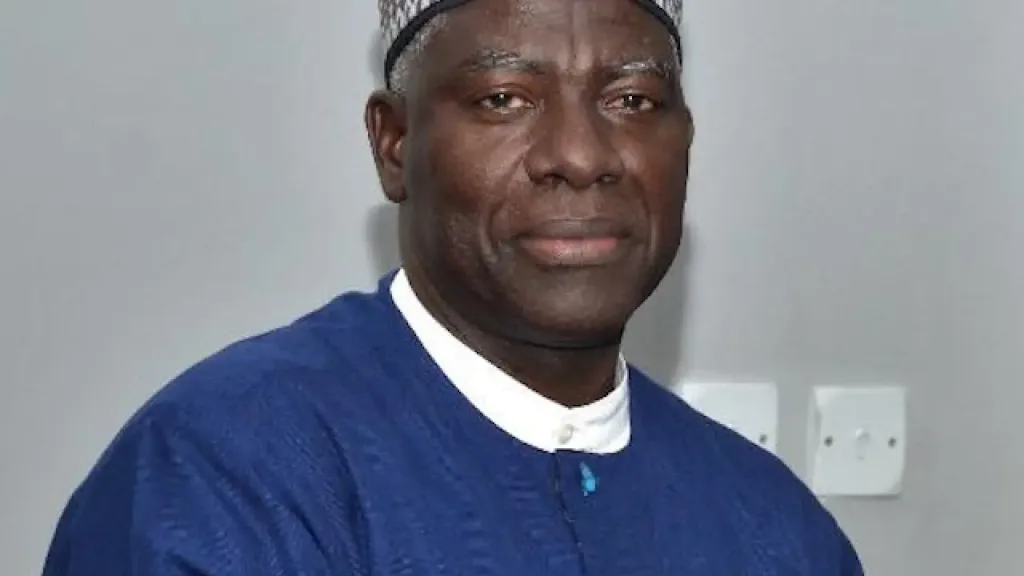
Yusuf Bichi, former Director General of the Department of State Services (DSS), explained that intelligence reports indicated that openly backing a candidate could expose that individual to serious security risks in a highly competitive political environment. Bichi said Buhari’s silence was often misinterpreted as indifference, but it was actually a security‑driven tactic aimed at preventing an internal crisis and possible disintegration of the ruling party. The former president believed that publicly naming a successor would intensify rivalries, increase hostility, and potentially place the endorsed individual in physical danger.
By allowing the primary process to unfold freely, Buhari distributed political risk among aspirants and avoided concentrating hostility on a single person. This approach, Bichi noted, helped absorb criticism without destabilizing the party or endangering lives. The book, authored by Dr. Charles Omole, Director General of the Institute for Police and Security Policy Research (IPSPR), was unveiled in Abuja and provides behind‑the‑scenes accounts of critical decisions made during Buhari’s presidency. The 600‑page volume compiles reflections from senior officials who worked closely with the former president.
The presentation attracted a high‑profile audience, including President Bola Ahmed Tinubu, Gambian President Adama Barrow, governors, ministers, diplomats, traditional rulers, and members of Buhari’s family. The revelations offer a new perspective on Buhari’s leadership style and his approach to managing power within the APC. The book’s release comes as Nigeria continues to navigate its complex political landscape, with the 2023 presidential election marking a significant transition in the country’s leadership.

Comments are closed for this story.